-
Nutrislice
-
Resources for Dietary Restrictions & Requirements
-
Food Allergy Icons
-
Steps for Dietary Concerns
-
Allergies & Special Dietary Requirements
-
Food & Allergen Safety
Nutrition & Allergens
All our Housing Dining Markets offer exceptional meal options for those with dietary restrictions due to health concerns, food allergies, or religious observances. By cooking fresh alternatives, our dining venues give you flexibility to eat what you want, when you want it. If you have questions, please contact our registered dietitian at dietitian@housing.wisc.edu.
To help you easily identify healthy meal options, a customized line sign accompanies each menu item in our dining venues that identifies common allergens as well as preferences such as vegetarian, vegan, and Halal. We do not add any peanuts or tree nuts to our recipes made in our dining markets.
Nutrislice
Establishing a healthy relationship with food is an important part of learning. We are pleased to offer these nutrition services and resources to our residents. Nutrislice is an online menu that can help you make smart, healthy choices in Dining and Culinary Services dining venues. Use it to:
- Select well-balanced meals
- See how your food choices measure up nutritionally
- Screen the dining venue offerings to identify foods with common allergens
Resources for Dietary Restrictions & Requirements
Nutrition & Allergen Guide
Here’s an easy guide on our dining locations and how you can navigate any dietary needs or allergies in our Markets.

Allergy/Dietary Requirement Self-Declaration Form
Do you have a food allergy or dietary need that you need an accommodation for? Let us know. Fill out this self-declaration form and let us know and our Housing Dietitian will be in touch.
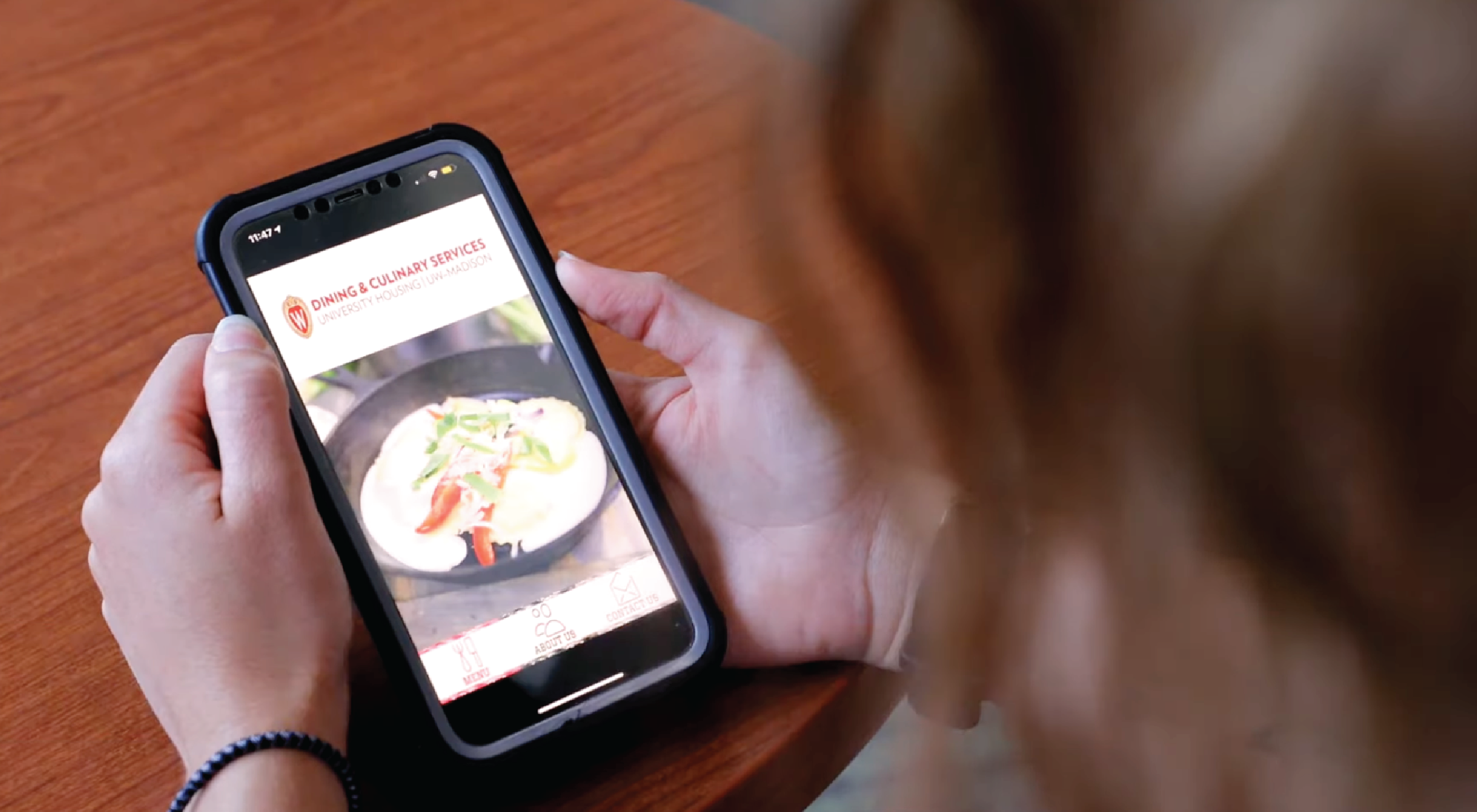
Dining OrderIT App
OrderIT is an app for students with severe allergen & dietary needs. To find out more, contact dietitian@housing.wisc.edu and we’ll determine if OrderIT is a good fit for you.

Halal & Kosher
Here’s a quick guide to finding Halal and Kosher foods in our Markets and additional locations.
Food Allergy Icons
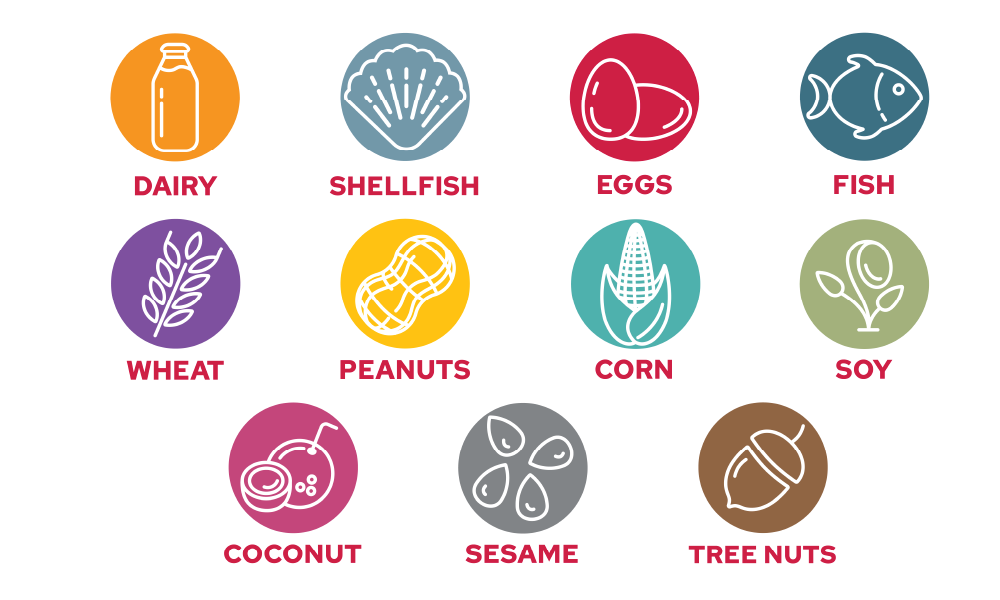
Food Allergy Icons
These icons placed on our menus indicate food items contain these allergens.
Vegetarian Icon
Foods with this symbol are identified as vegetarian. Eggs and cheese are included in this category.

Vegan Icon
Foods with this symbol are identified as vegan. Includes no meat, dairy, eggs, and honey.

Halal Icon
Foods with this symbol are identified as halal items.

Manufacturers Disclaimer
Identifies manufacturer disclosures of products made on shared equipment or in a facility that contains a specific allergen.
Note: Please review the ingredient listing in Nutrislice to determine if that menu item will be a good fit for you.
Steps for Dietary Concerns
If you are an incoming student and have a dietary concern, follow these steps:
- Fill out the allergy/dietary requirement self-declaration form; or contact our registered dietitian at dietitian@housing.wisc.edu or 608-262-3994.
- The dietitian connect with you to discuss your dietary restrictions or concerns, and advise on how best to move forward.
- Next steps could include a one-on-one meeting, tour of your primary dining facility, introduction to the unit chef, or possible referral to the McBurney Disability Resource Center.
- Our registered dietitian and culinary staff will continue to be a resource for you throughout your time in University Housing.
Allergies and Special Dietary Requirements
- Students with food allergies or special dietary requirements will find a variety of choices in the University Housing Dining locations and we strive to provide foods you will enjoy.
- We work towards labeling items with common allergens and encourage students to review the nutrition information for items they purchase.
- Our staff will always take care to avoid cross contact whenever possible but this risk is never completely eliminated.
- Residents with food allergies are reminded to use caution in the community setting of a residence hall facility. Please approach a staff member if you have questions.
- We do not add any peanuts or tree nuts to our recipes made in our dining markets.
PLEASE NOTE: While the University Housing Dining and Culinary Services does not have allergen-free facilities and serving lines, we take every precaution to check ingredient information and to ensure that cross contamination of ingredients does not occur. Our fryers are used for all fried food products and those products should not be considered allergen-free.
Ingredients and nutritional content may vary. Manufacturers may change their product formulation or consistency without our knowledge and product availability may fluctuate. While we make every effort to identify nutrition data and allergen information, we cannot assure against these contingencies.
It is the responsibility of the customer with food allergies or other specified nutritional concerns to make the final judgment on whether or not to question the ingredients of a food item or to choose to eat the foods selected. Guests are encouraged to consider the information provided, to their own satisfaction, in light of their individual needs and requirements. For individualized assistance please contact the registered dietitian at dietitian@housing.wisc.edu.
Food & Allergen Safety
Food Safety
Our dining locations follow FDA Food Code standards and Hazard Analysis and Critical Control Points (HACCP) principles to help ensure food is received, prepared, served, and stored safely. These practices help us identify potential risks, implement preventive measures, and take corrective action when needed.
Our food safety program includes:
- Routine inspections by regulatory agencies and dining leadership
- Regular monitoring and documentation of food temperatures
- Comprehensive food safety training and certification for staff
- Ongoing coaching, retraining, and accountability measures
- Strict employee illness reporting and exclusion policies
- Daily enforcement of proper handwashing and glove-use practices
- Product recall and ingredient traceability procedures
- Food allergy management practices focused on allergen awareness, identification, and prevention
Allergen Safety
Our full-time staff and student lead staff complete AllerTrain®, a nationally recognized food allergy and dietary accommodation training program. This specialized training equips employees with the knowledge and skills needed to safely prepare and serve food for guests managing food allergies, celiac disease, and other dietary restrictions. Topics include allergen awareness, cross-contact prevention, ingredient verification, and safe food handling practices, helping to create a safer and more inclusive dining environment for all guests.
In addition, all UW Housing Dining locations maintain access to epinephrine auto-injectors (EpiPens®) for use in the event of an anaphylactic emergency. Staff members receive training on recognizing the signs and symptoms of anaphylaxis and responding appropriately in accordance with established emergency procedures.