BioHouse Learning Community
If you’re interested in the scientific study of living things – whether it’s plants, animals, health, microbiology, evolution, neurobiology, soil, food genetics, bioenergy, or anything else biological — BioHouse can nurture your passion for science and connect you to other young scientists. Along with your BioHouse community, you’ll explore majors & careers, meet campus researchers, find out about discoveries & issues in biology, and learn what’s on the cutting edge.
Sponsors: College of Agricultural and Life Sciences (CALS), College of Letters and Science, Nelson Institute for Environmental Studies, and the Wisconsin Institute for Science Education and Community Engagement (WISCIENCE)
Open to: all majors | Additional Fee: $250 (exception request form)
How to Join
All items must be completed by your due date (May 1 for most admitted students). You can be assigned to any learning/theme community even if you did not preference it.
- Sign your University Residence Halls contract and submit your advance payment in My UW Housing.
- Rank the BioHouse Learning Community first when you submit your hall preferences in My UW Housing.
- Prioritize learning communities over residence halls when you submit your hall preferences in My UW Housing.
- Indicate if you want a random or preferred roommate in My UW Housing, and create/join a roommate group if you have a preferred roommate(s). Make sure all preferred roommates have matching preferences.
Seminar
New Biology for the 21st Century
Integrated Science 110 | 1 Credit
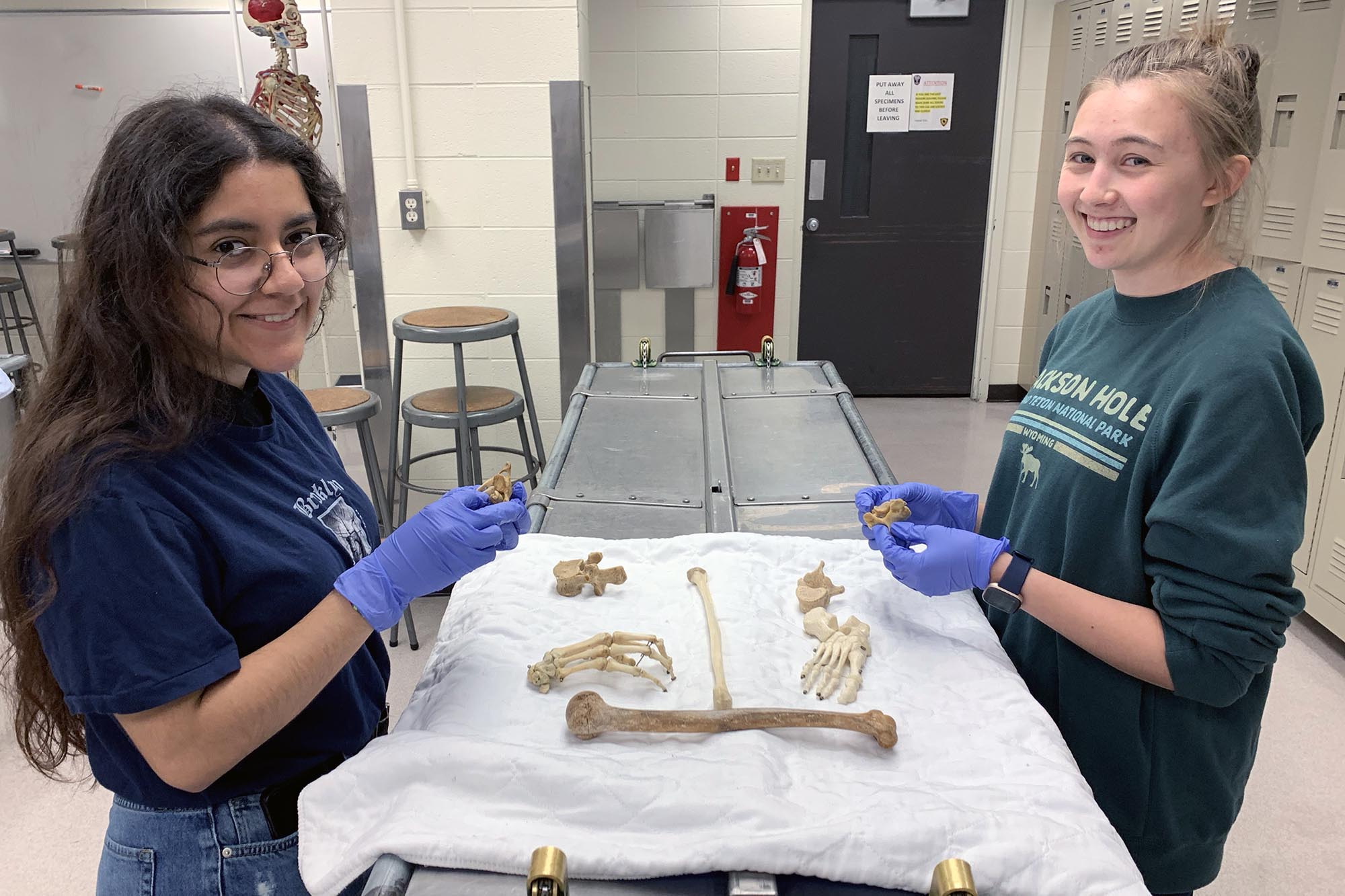
Every student in BioHouse has the opportunity to enroll in a one-credit seminar course in the fall called “New Biology for the 21st century”. The course introduces students to the myriad of majors in biological sciences on the UW–Madison campus, core concepts of modern biology, and the global challenges around human and biosphere health, food security, and natural resource availability. Explore majors, learn about beyond-the-classroom opportunities, and begin to understand how you can become part of the thriving scientific community at UW–Madison by interacting with undergraduate and graduate student mentors, postdocs, and faculty. BioHouse also offers spring semester seminars for smaller groups of BioHouse students.
BioHouse allowed me to meet friends in the scientific community on campus, succeed in my classes, and receive invaluable guidance for starting research in the biosciences.
Programming
Community Goals
- Introduce each student to the myriad of biological sciences majors, academic resources, and extracurricular activities
- Facilitate each student’s appreciation for the diversity of the biological sciences community with peers, faculty and staff
- Enhance students’ appreciation for their potential opportunity to contribute to society
BioHouse is a network that will connect you to resources and opportunities. That can be helpful when you’re trying to adjust to the rigor of college classes. Explore the 30-some biology-related undergraduate majors, and find a mentor for undergraduate research.
BioHouse is incorporated into a strong network of undergraduate programming, designed to facilitate community among all bioscience students on campus. Residents have access to mentors who can provide academic, career and personal guidance and support. Mentors add to the community by assisting with the BioHouse seminar, creating fun extracurricular events exclusively for residents, and mentoring BioHouse residents in small group settings.
Events & Activities
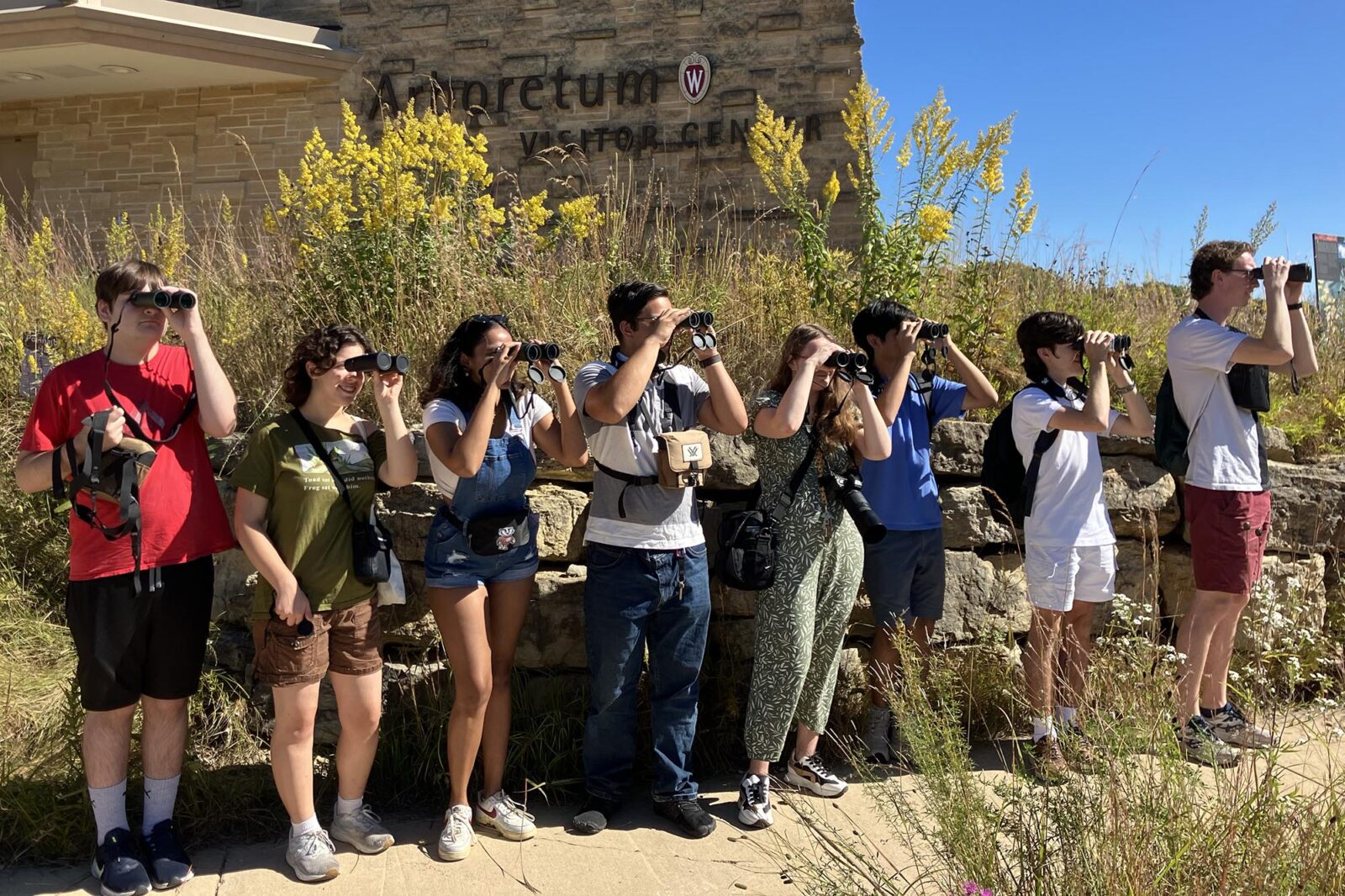
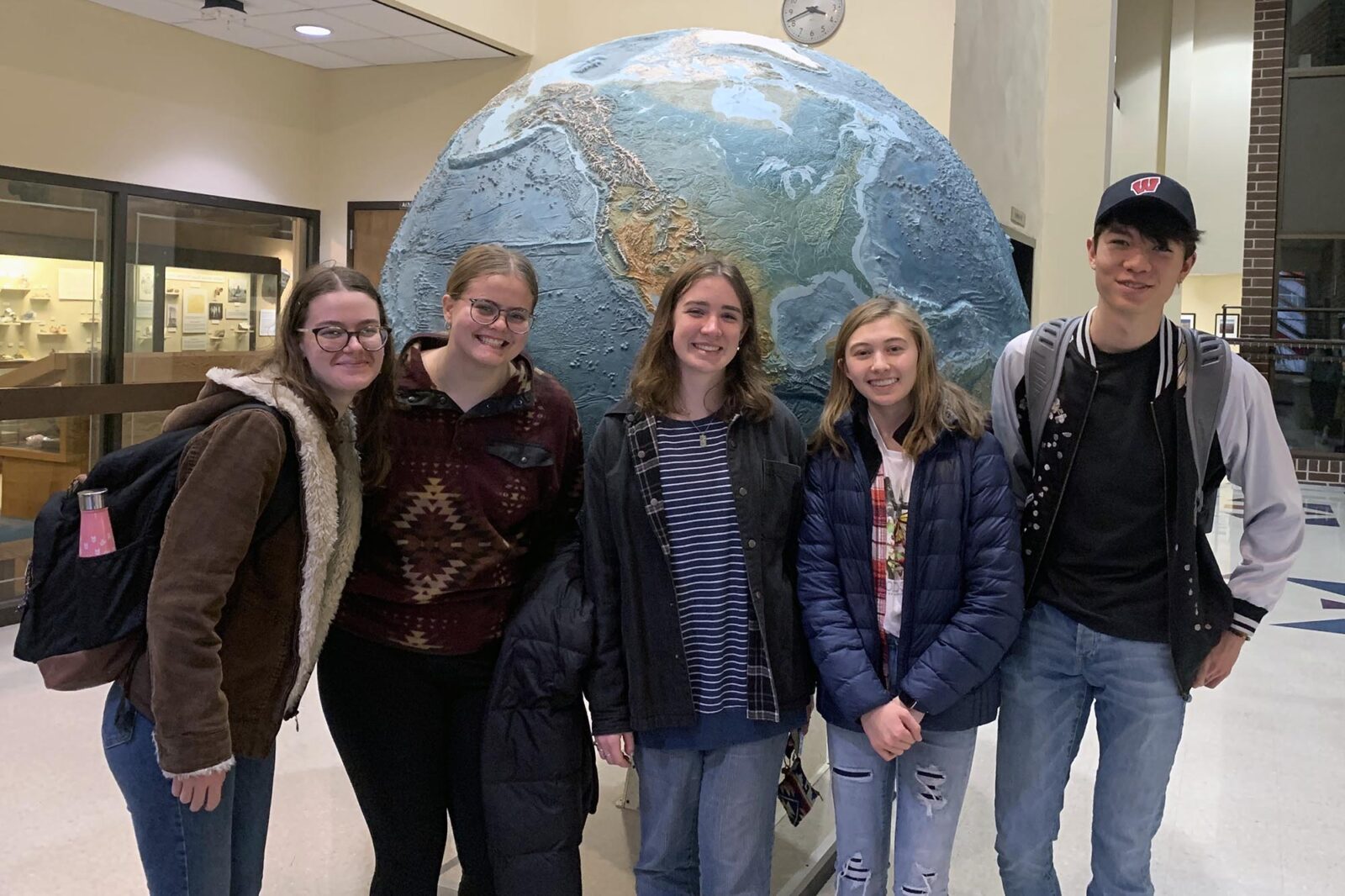
BioHouse students will meet premiere scientists in various sub-disciplines of biology and discuss cutting-edge science issues with invited guests over dinner. Examples of typical BioHouse activities include:
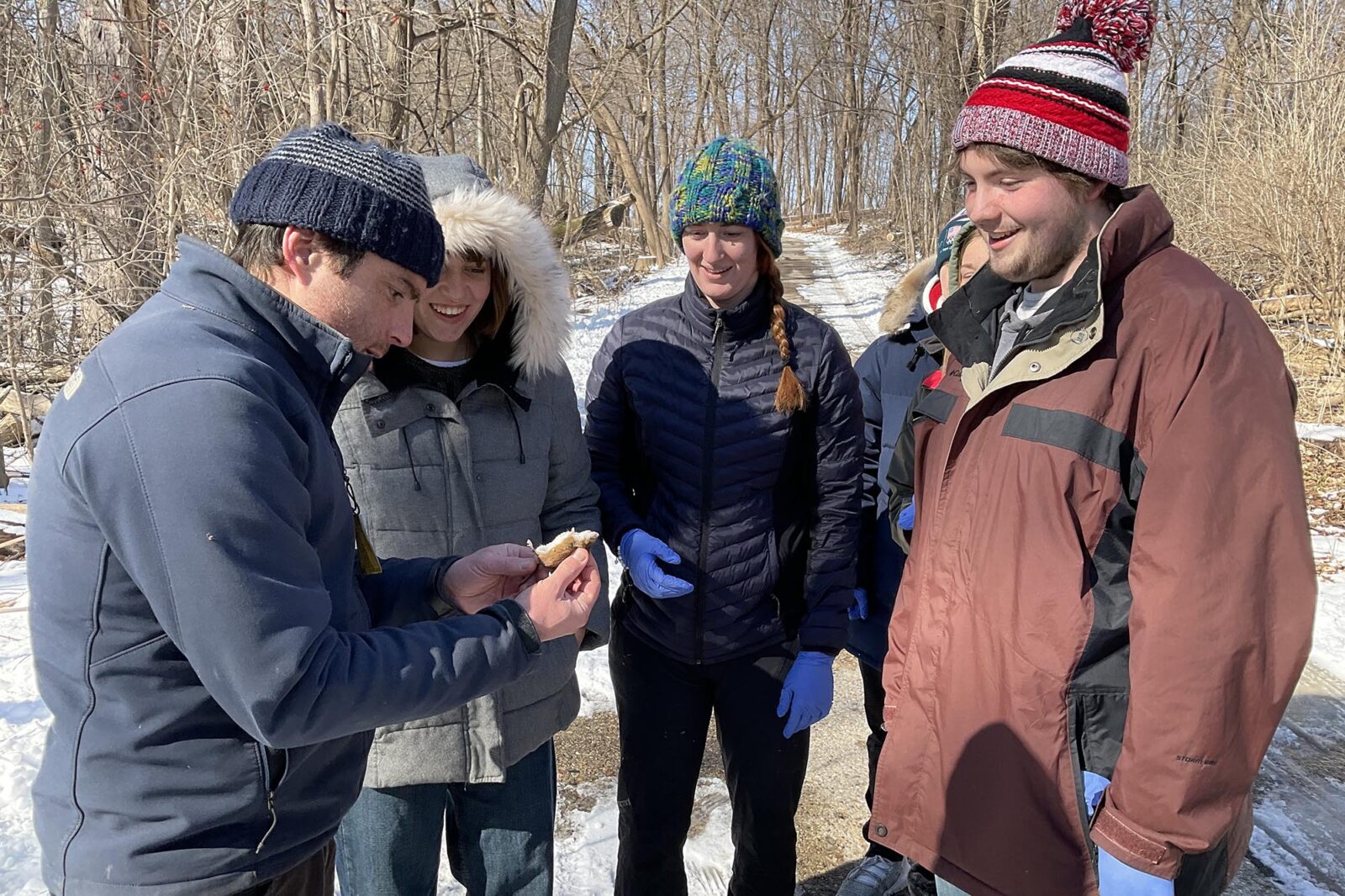
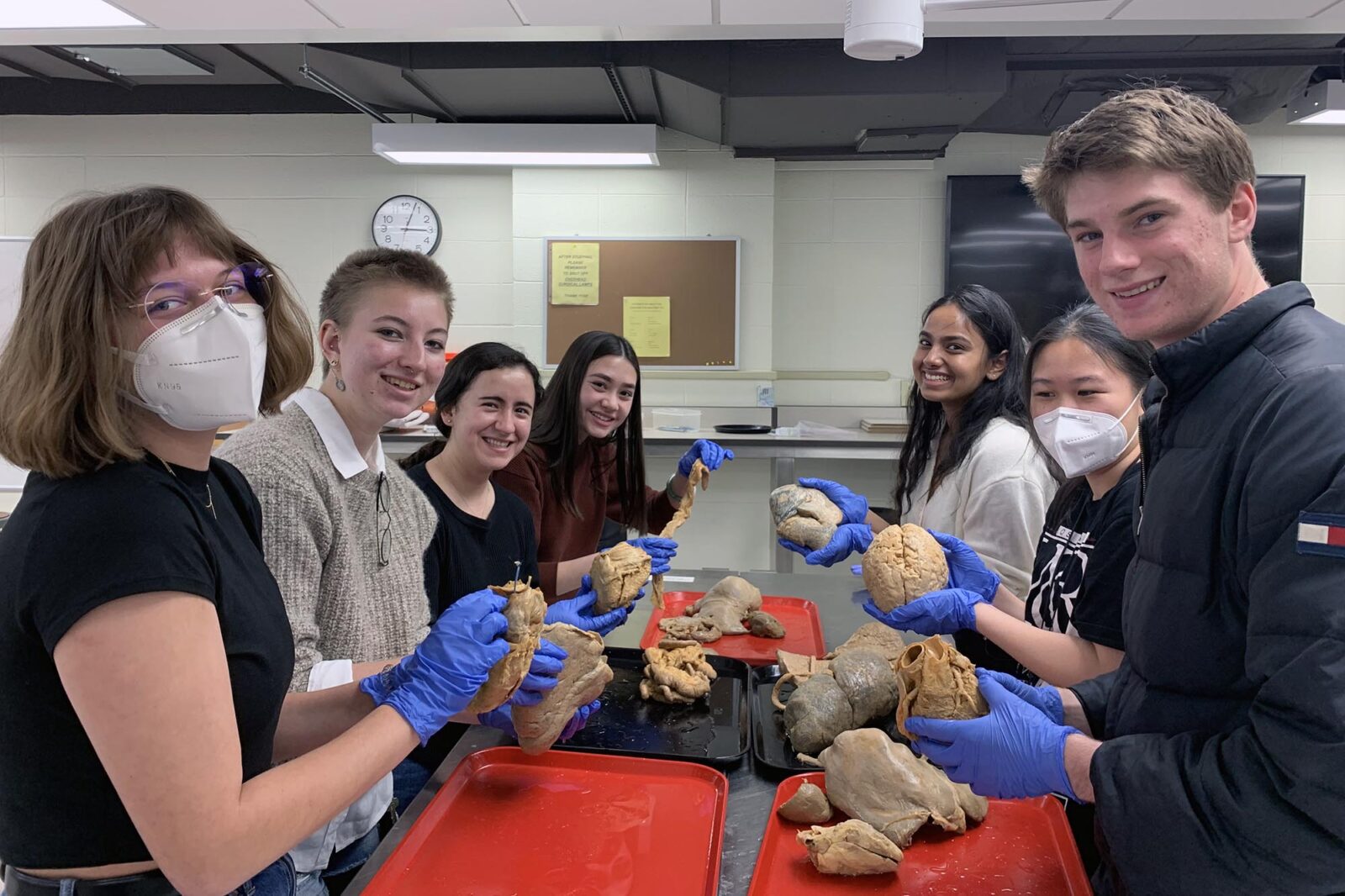
- Behind the scenes lab tours
- Academic workshops and group study opportunities
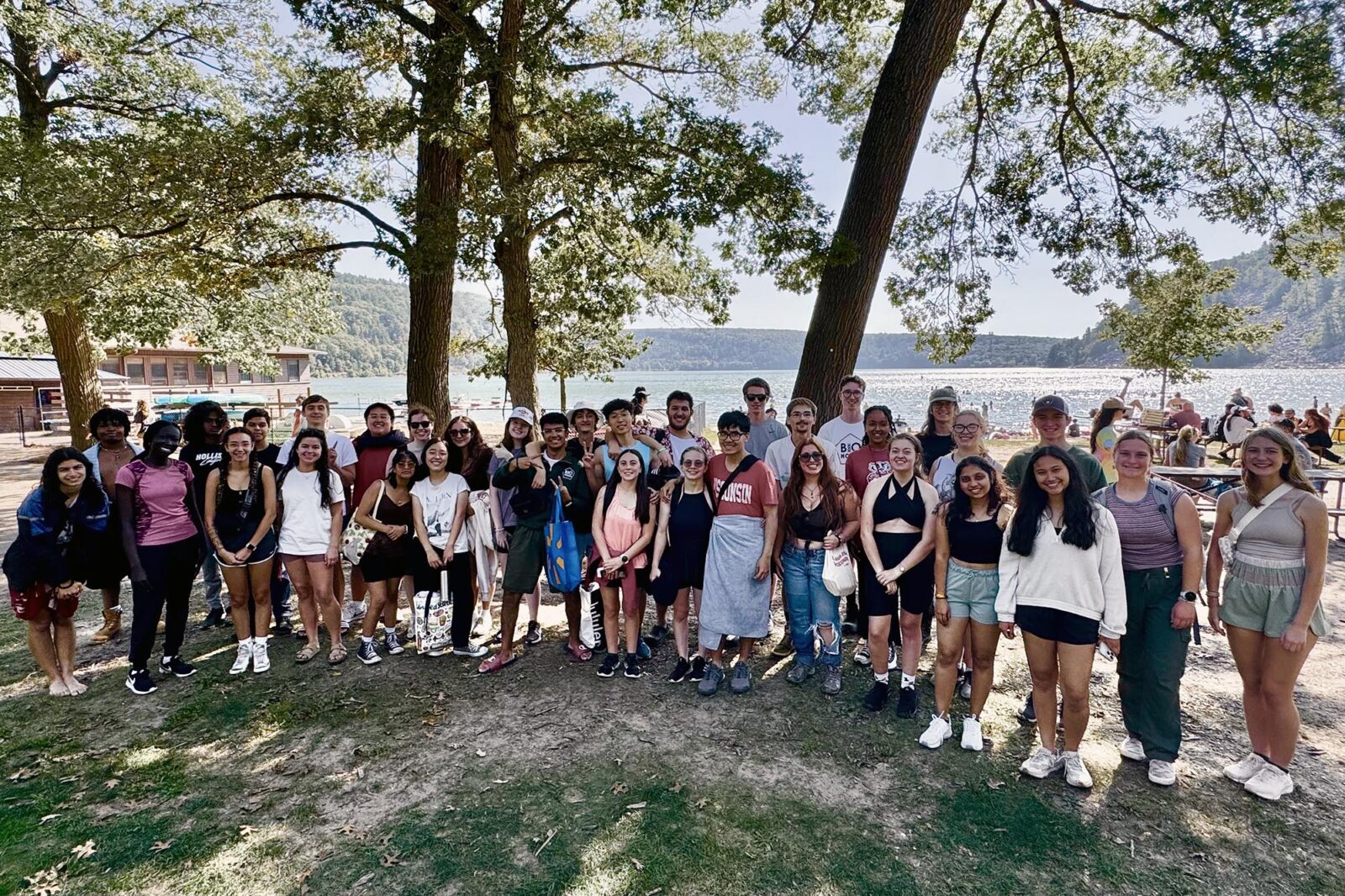
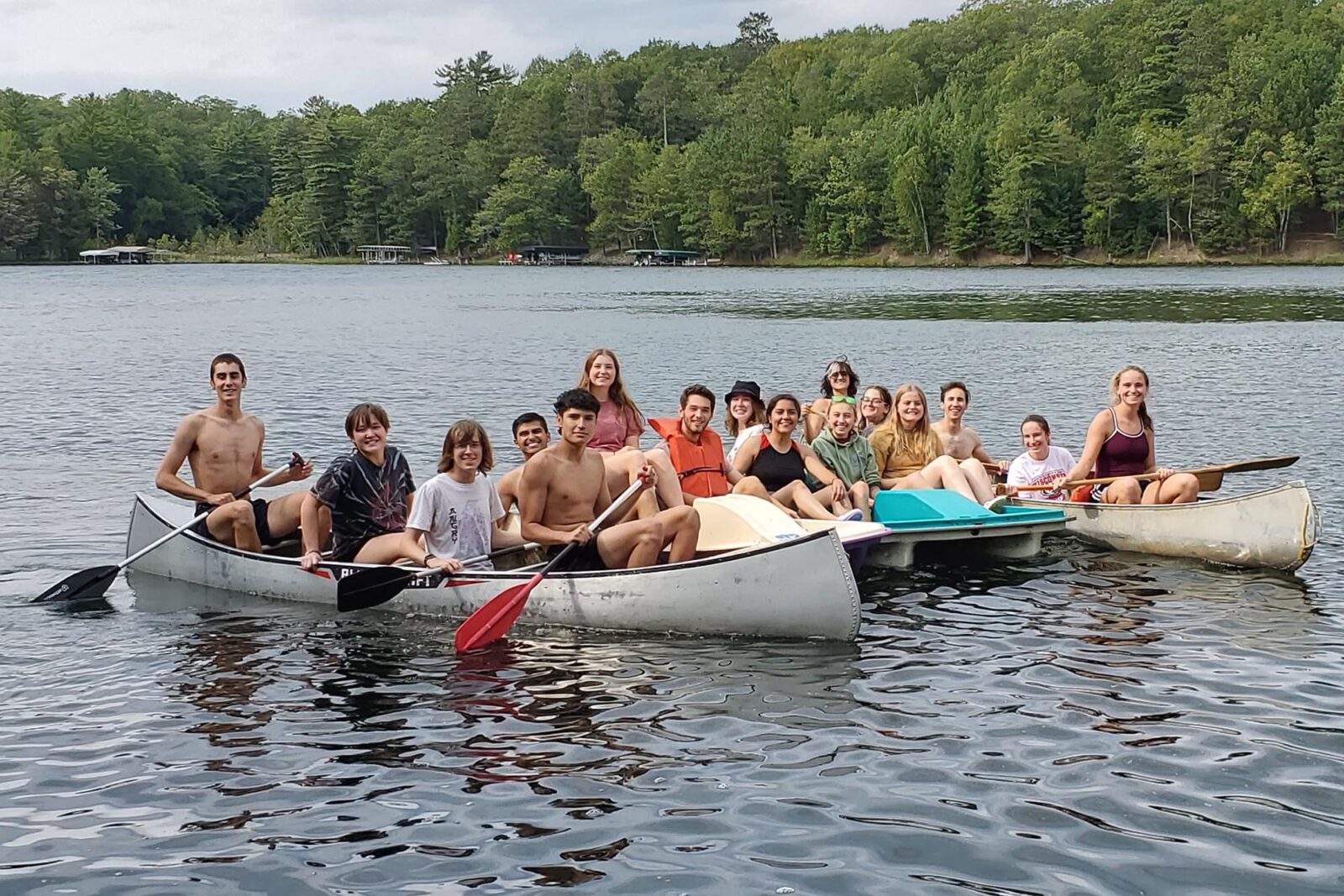
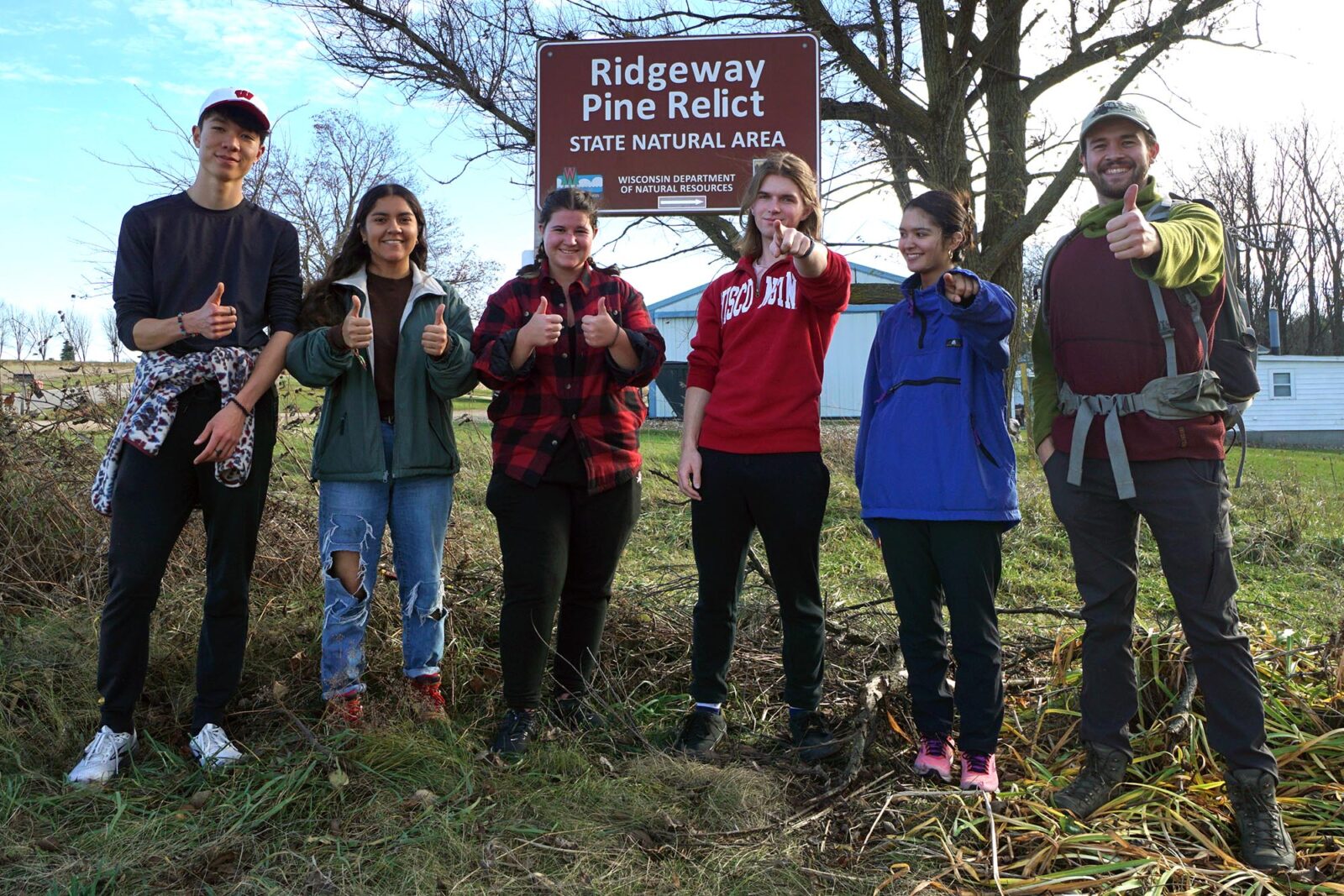
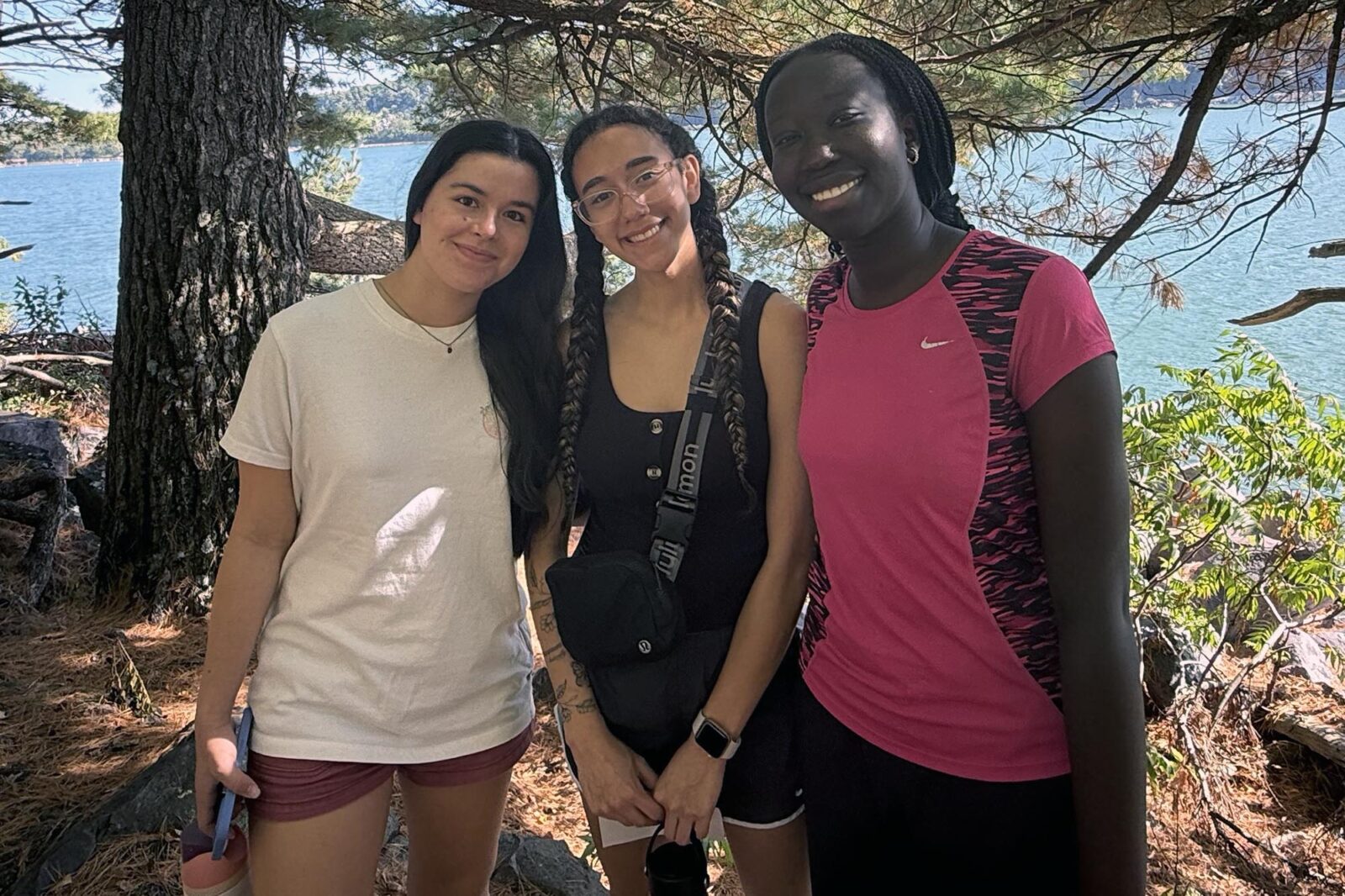
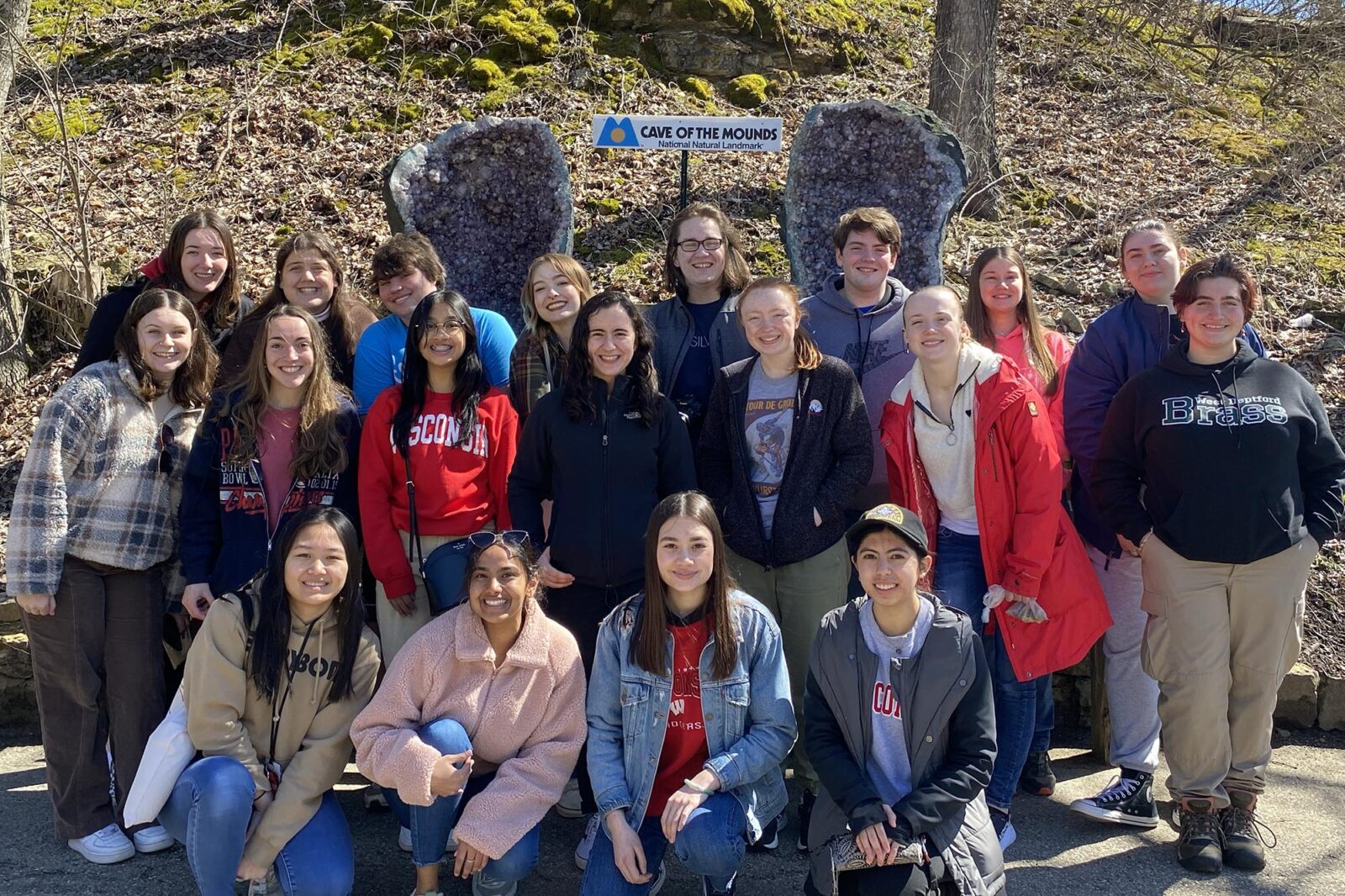
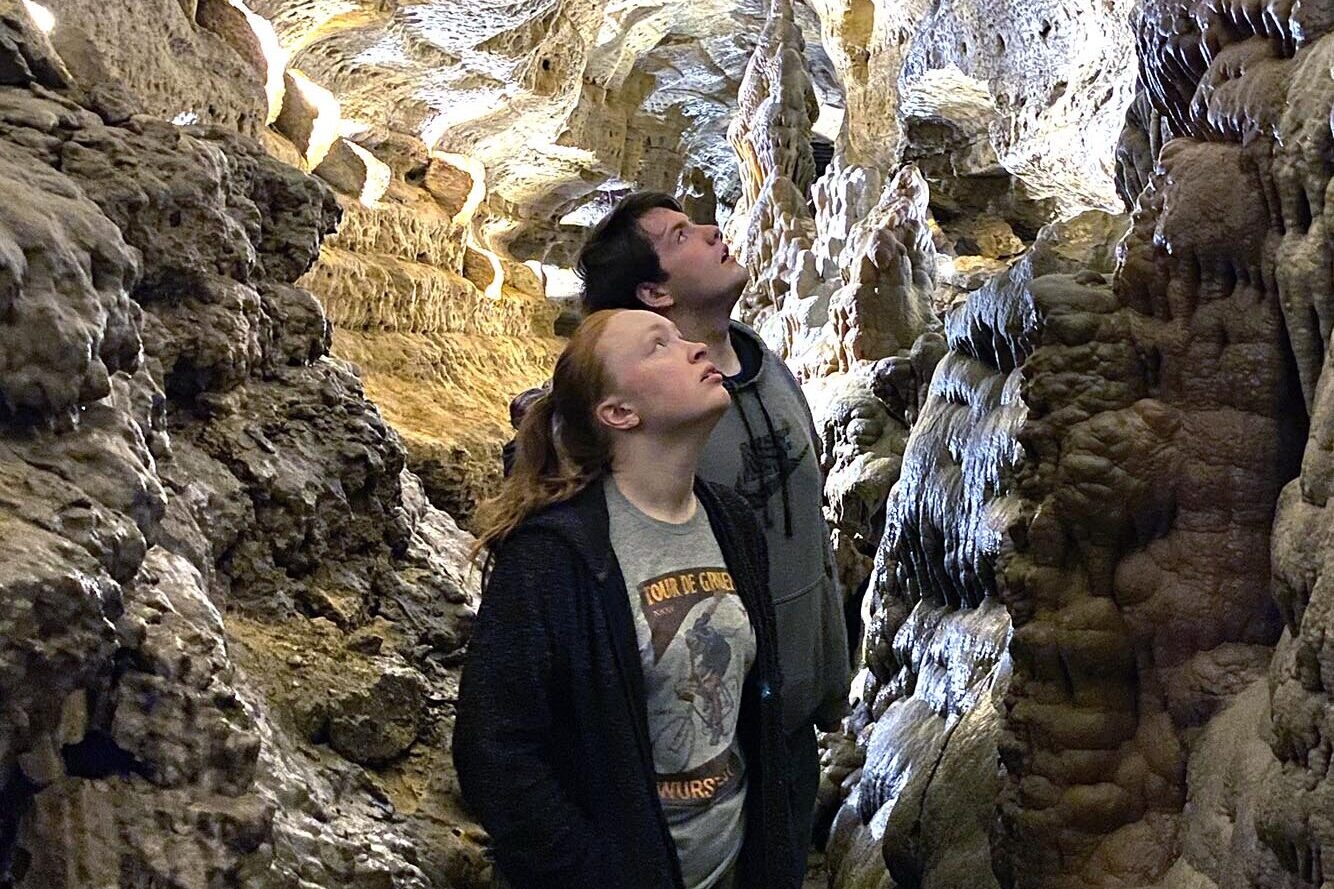
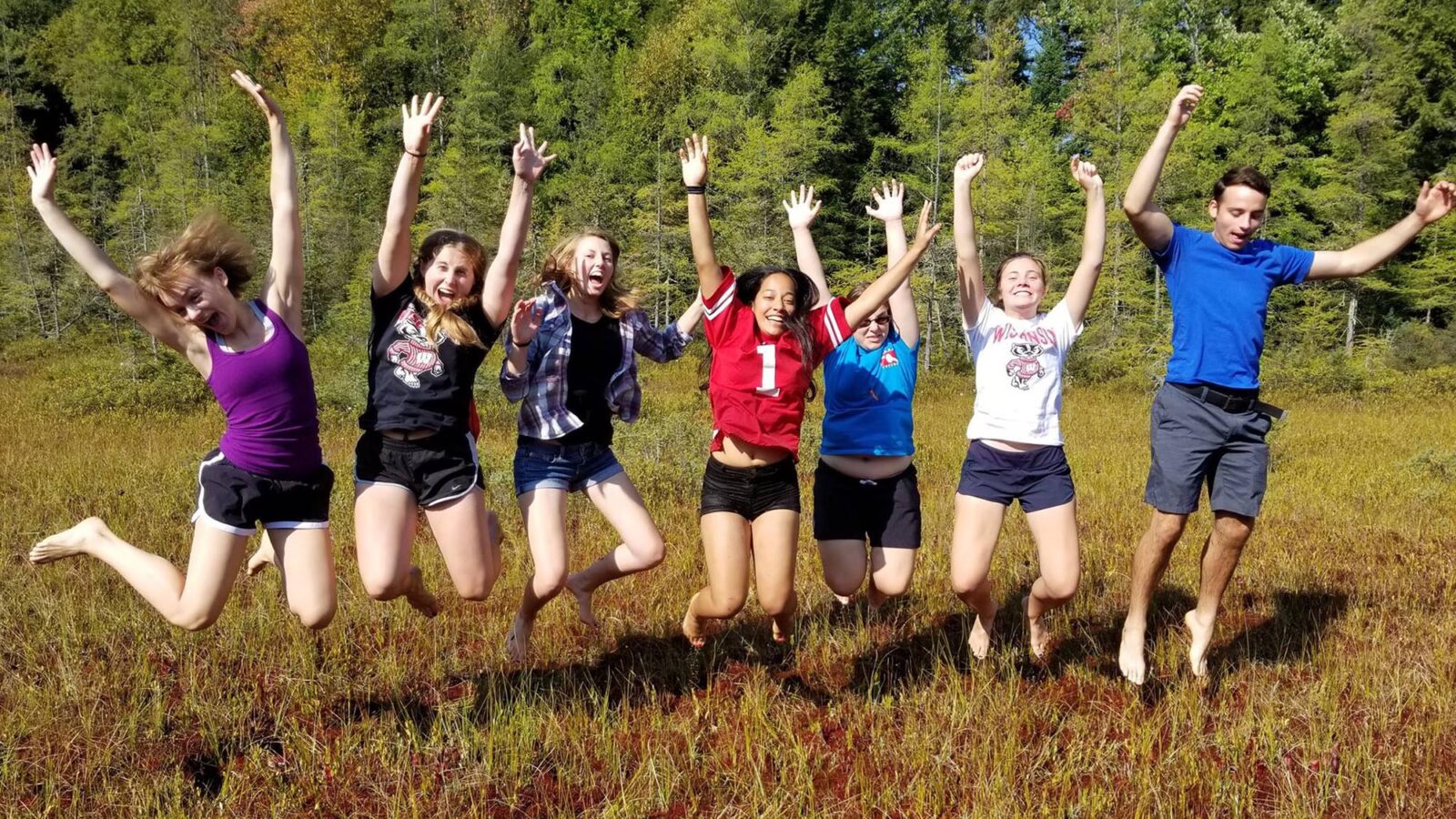
- Off campus field trips (Devil’s Lake State Park, Cave of the Mounds, Olbrich Gardens, canoe/kayaking)
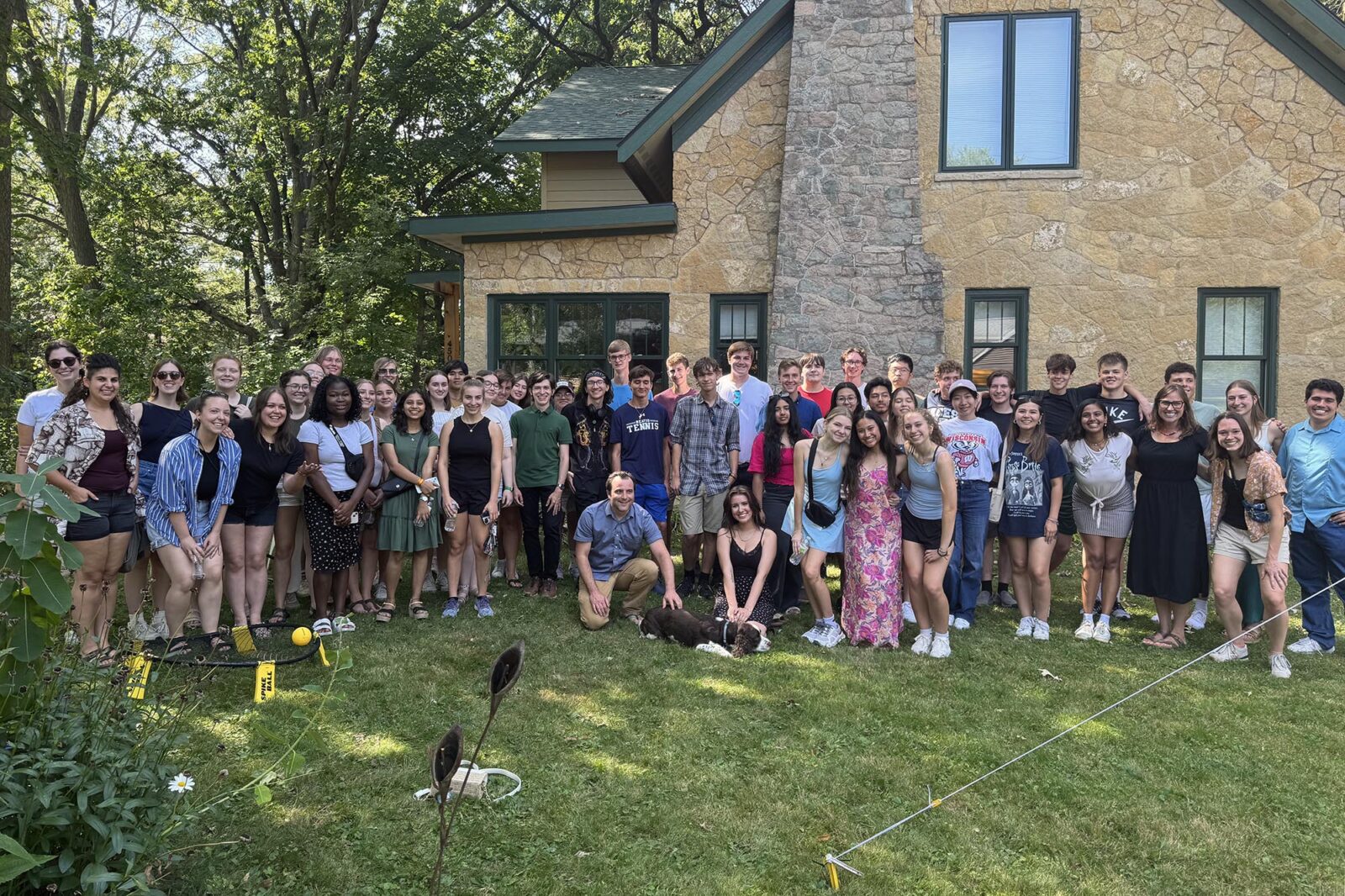
- Convocation and community lunch at faculty directors’ home
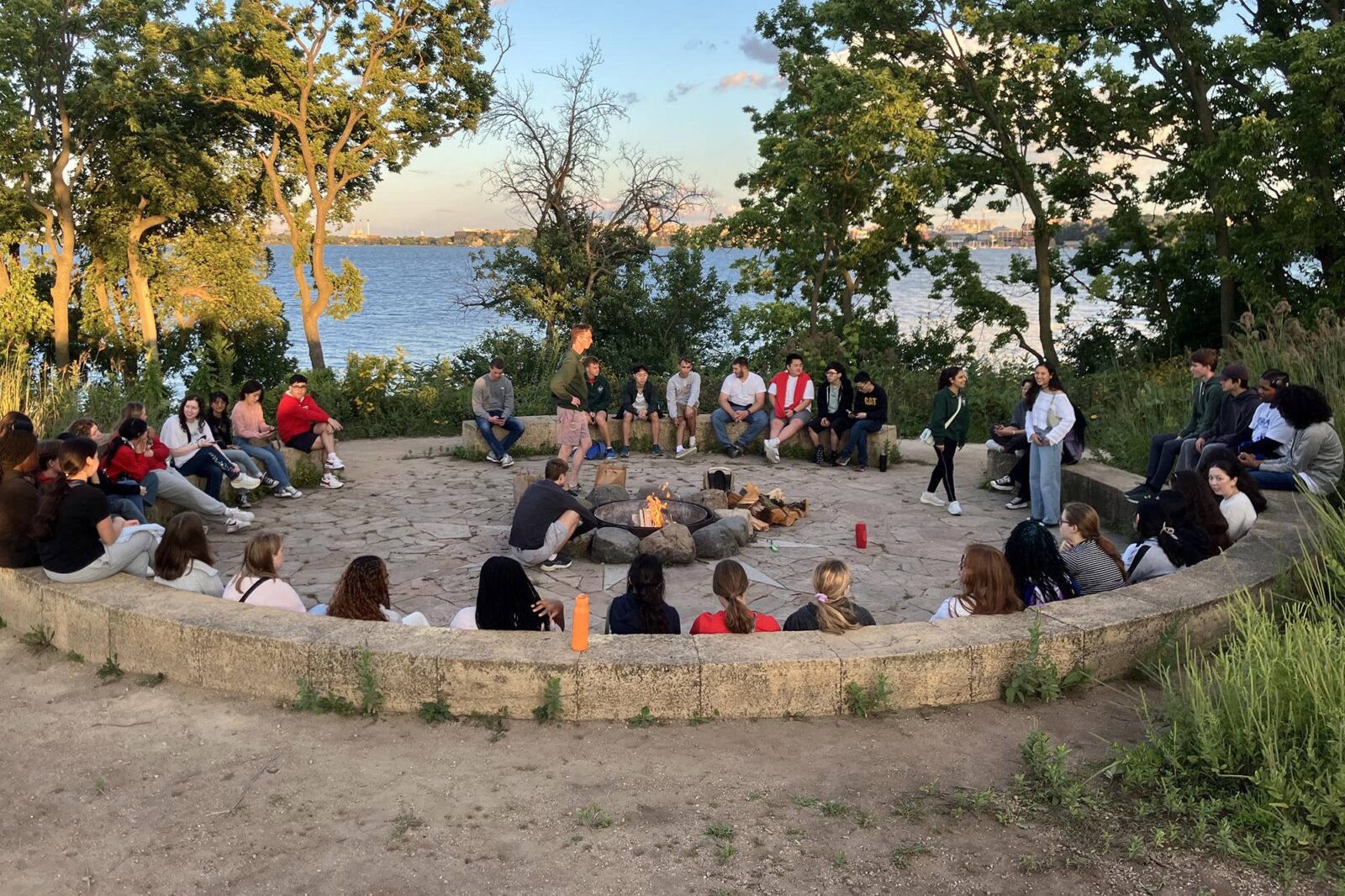
- Welcome week kickoff activities (bonfire and s’mores at Picnic Point, community volleyball tournament, ice cream social)
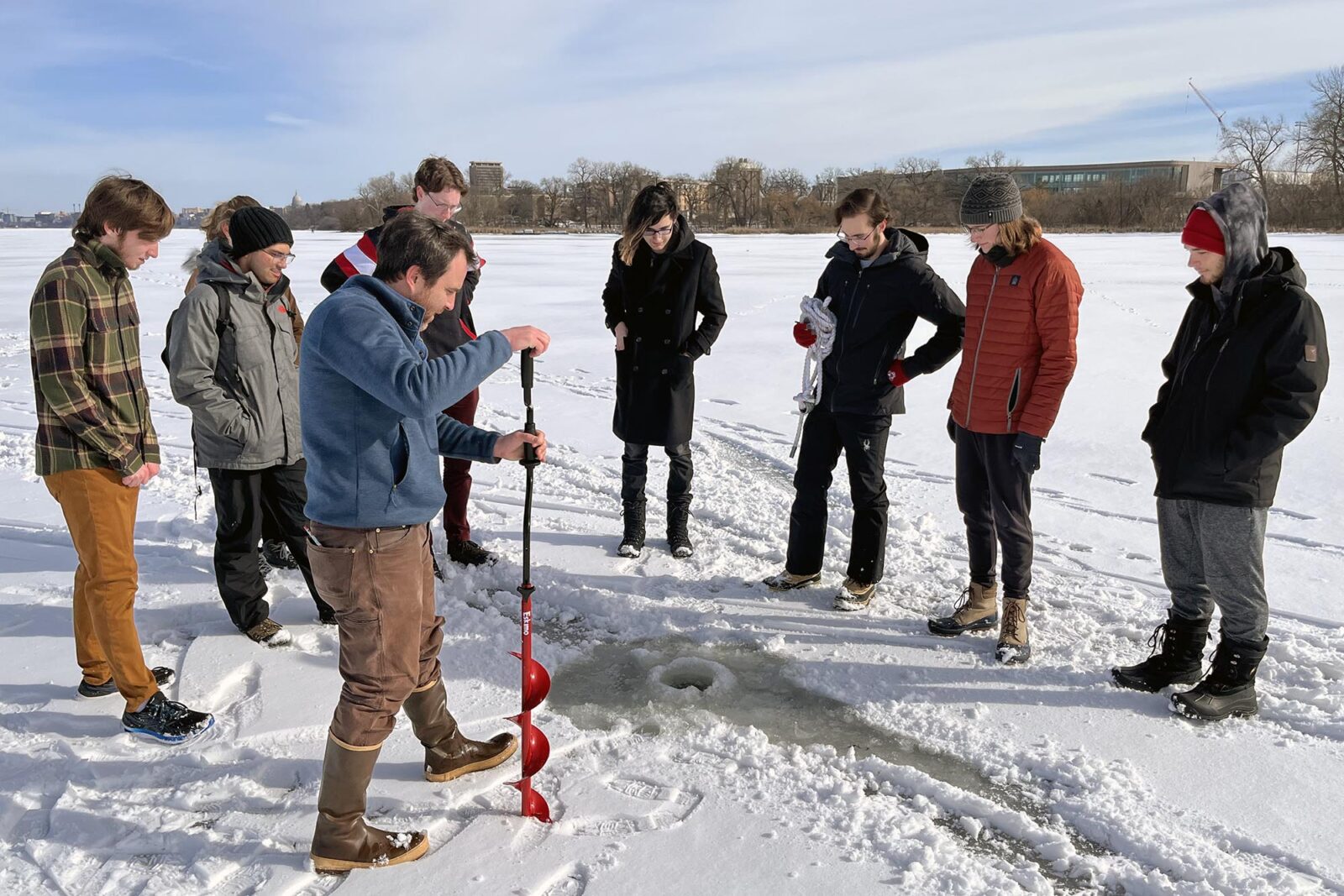
- Small group activities, tours, and/or field trips led by graduate student mentors
- Community brunches and dinners
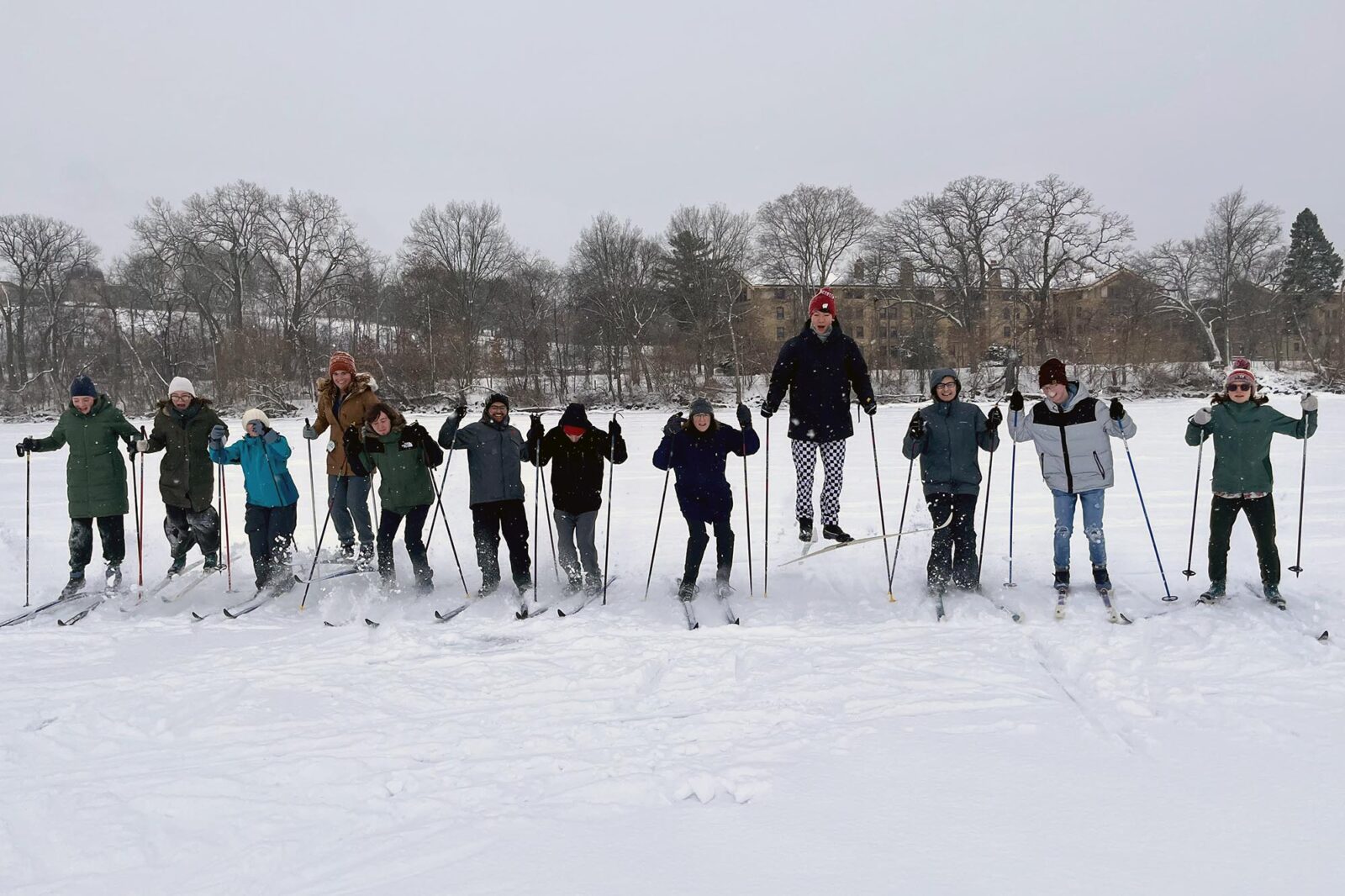
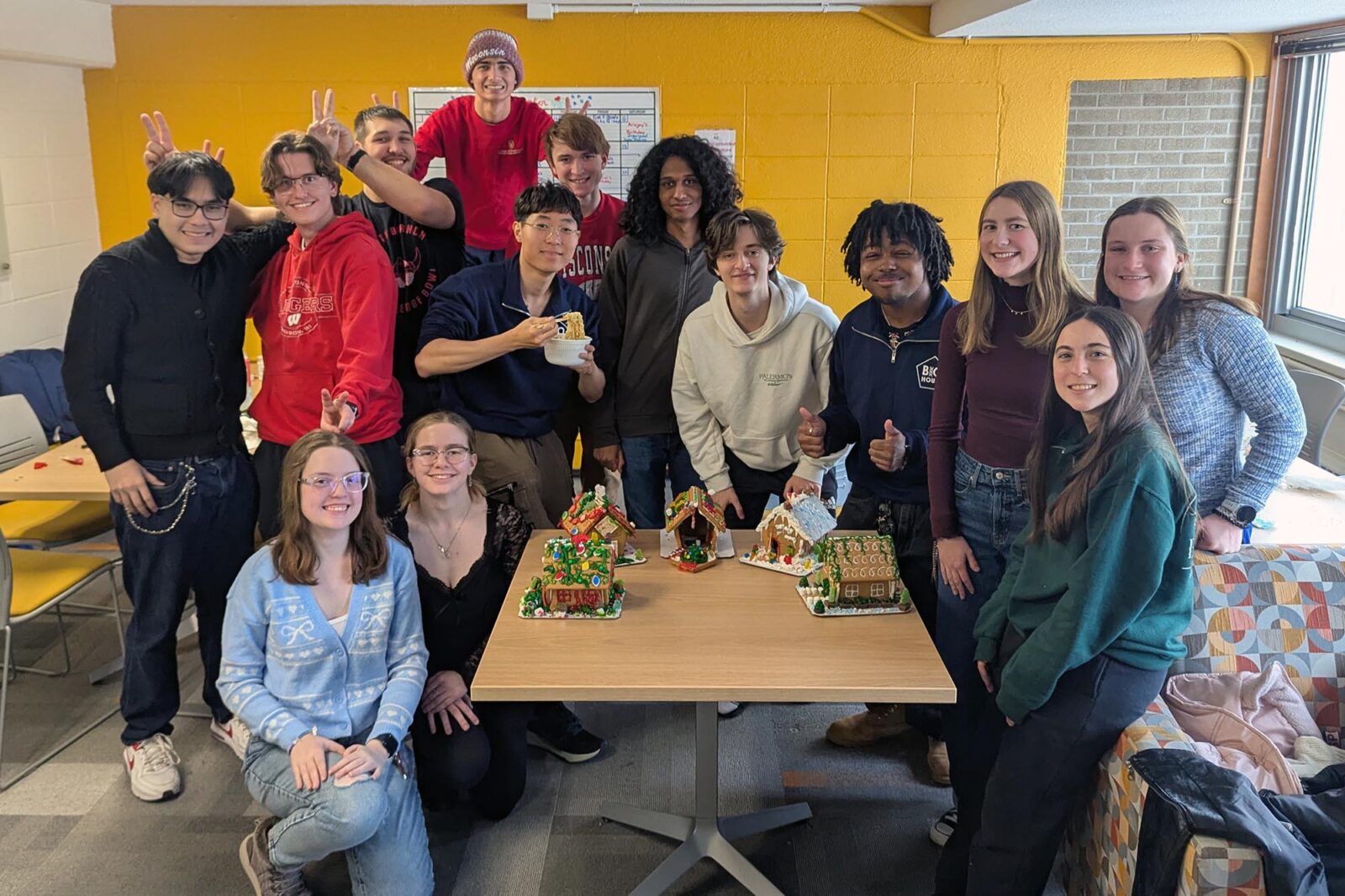
- Fun community building (hands-on arts activities, Pi Day pies, movie nights, de-stress and self-care programs, karaoke nights, bake-offs, competitions)