NDGNS Community
(one wing)
23 residents
Mixed coed floor of singles & doubles
(gender inclusive room options available)
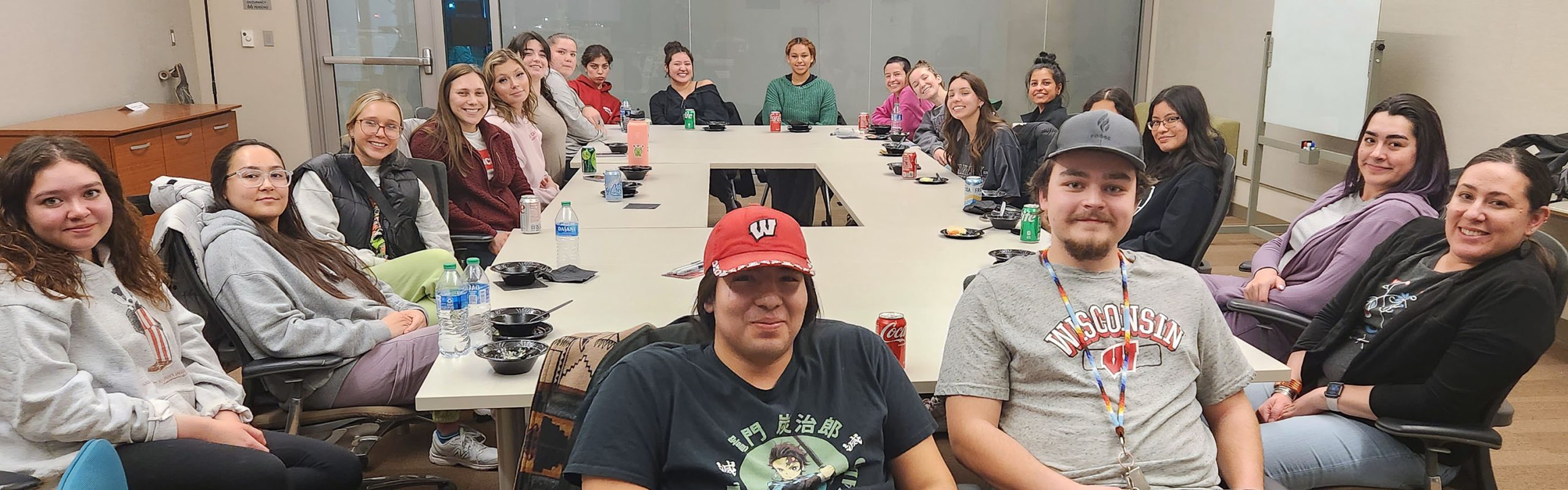
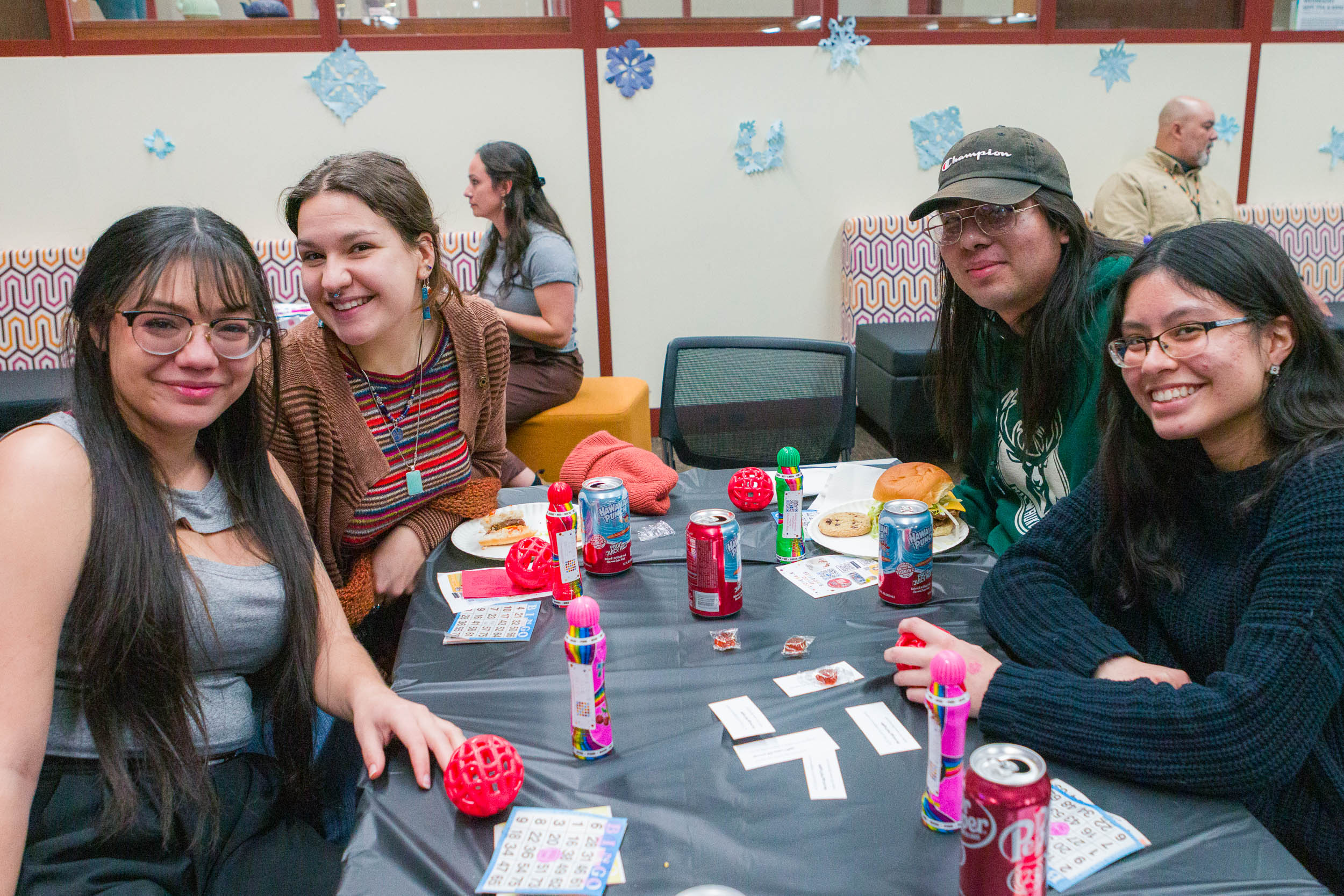
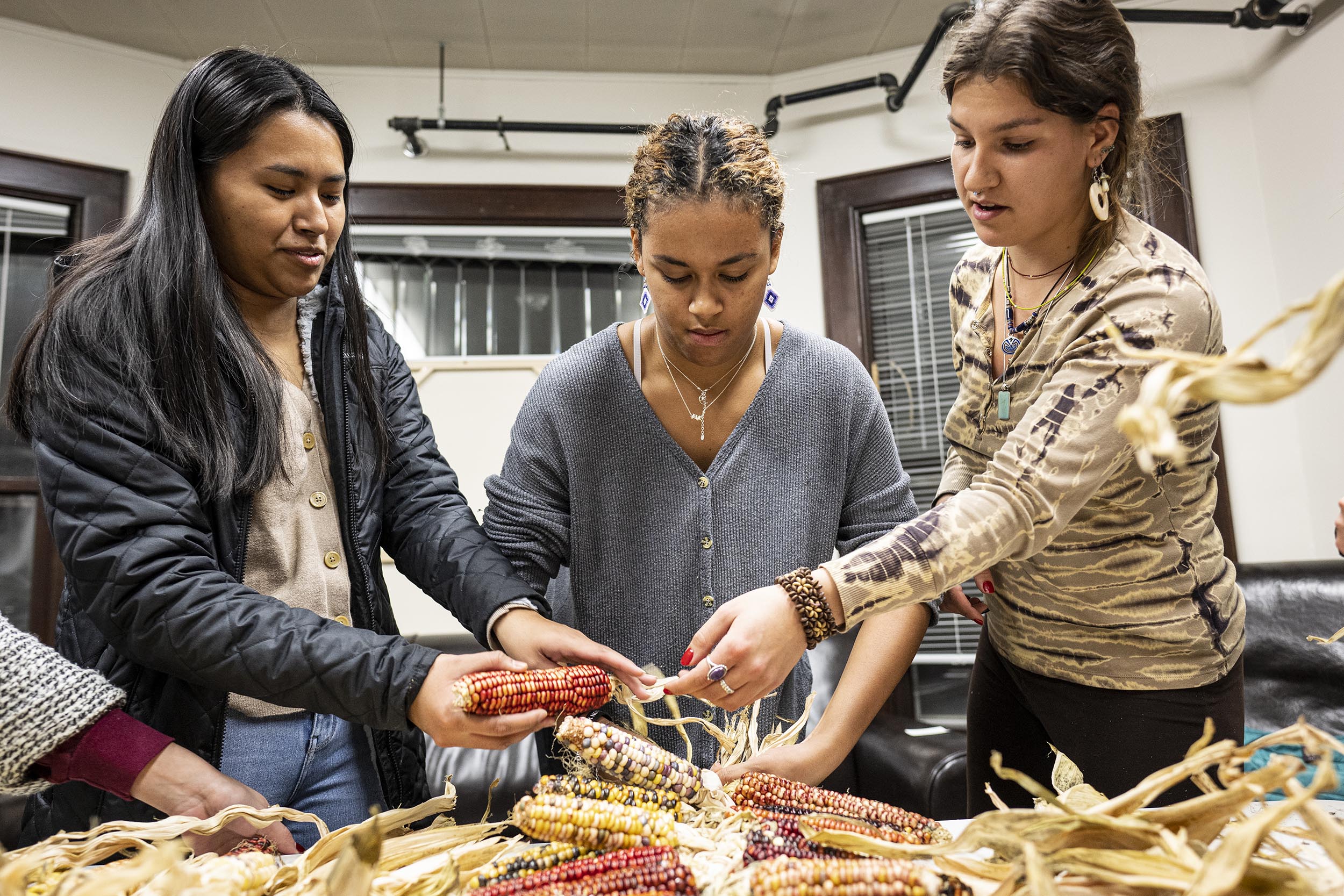
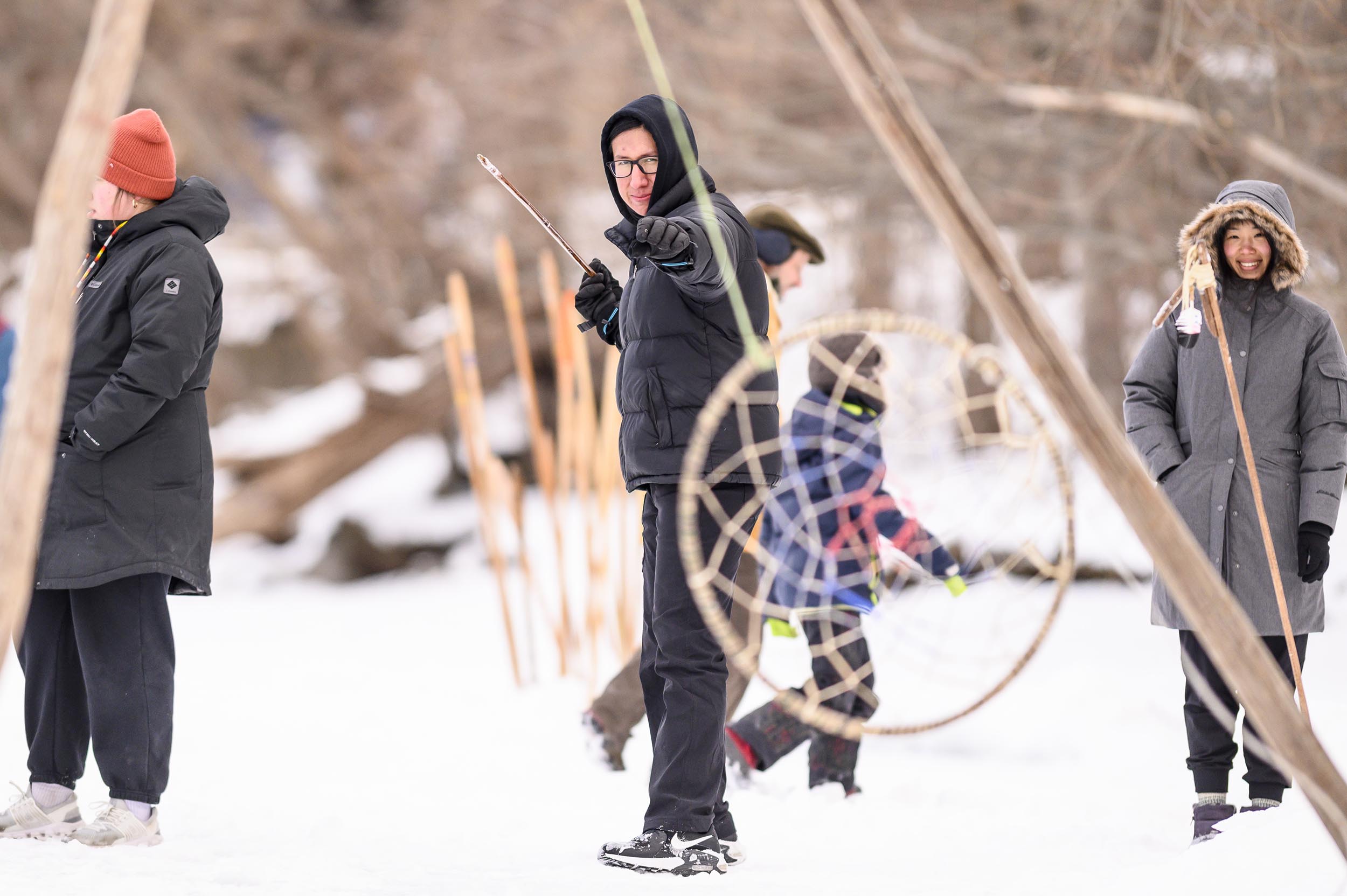
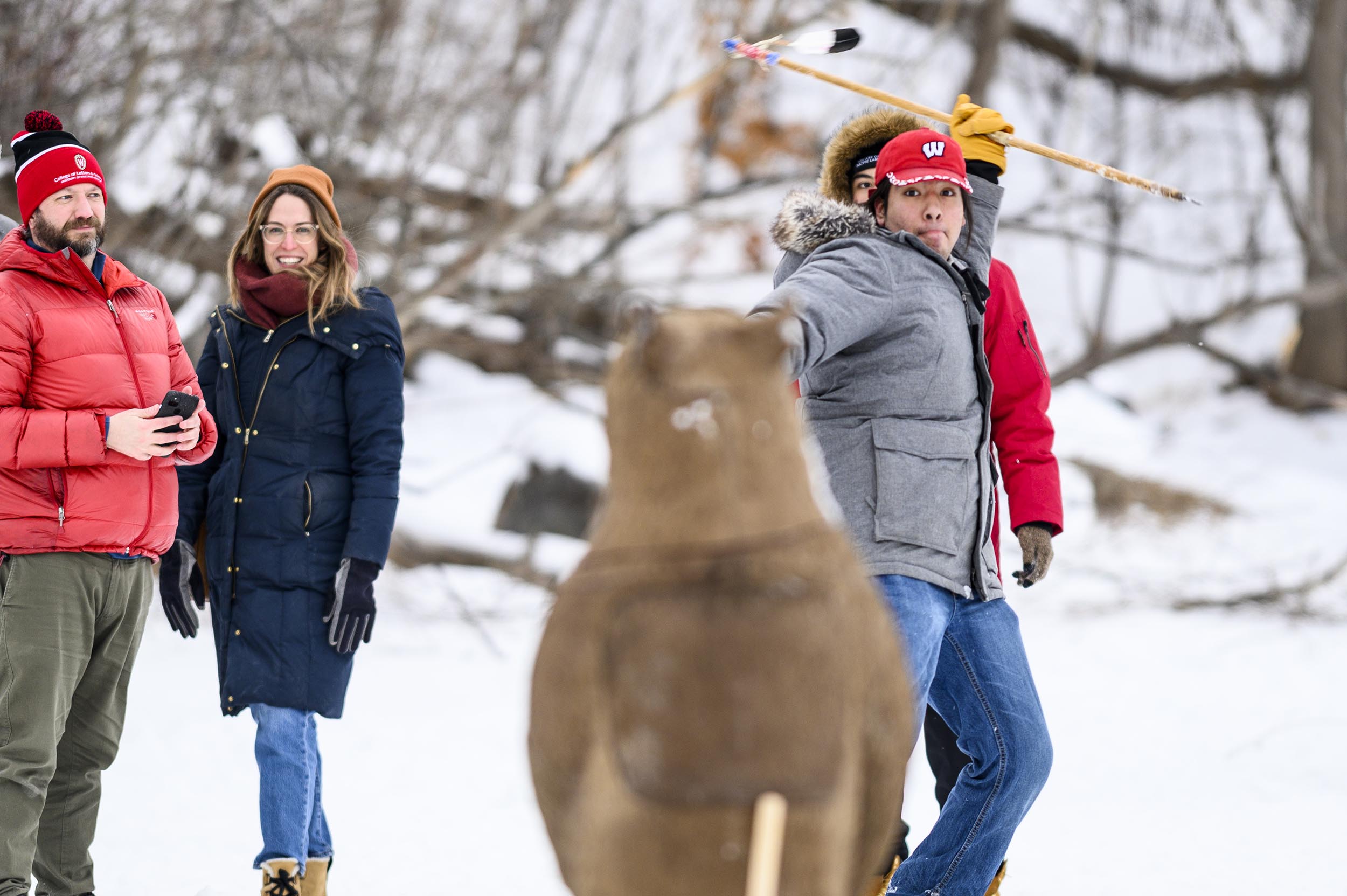
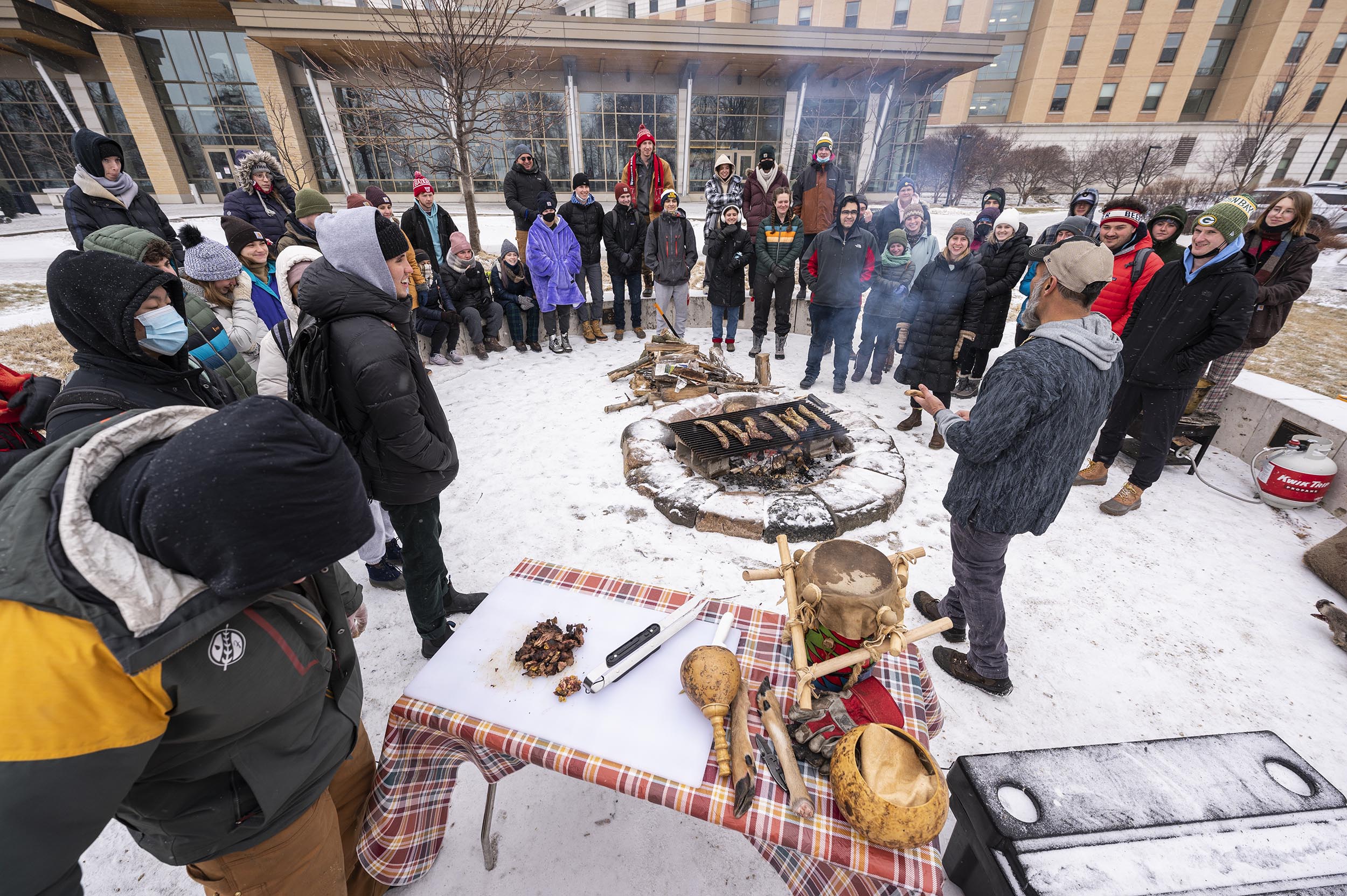
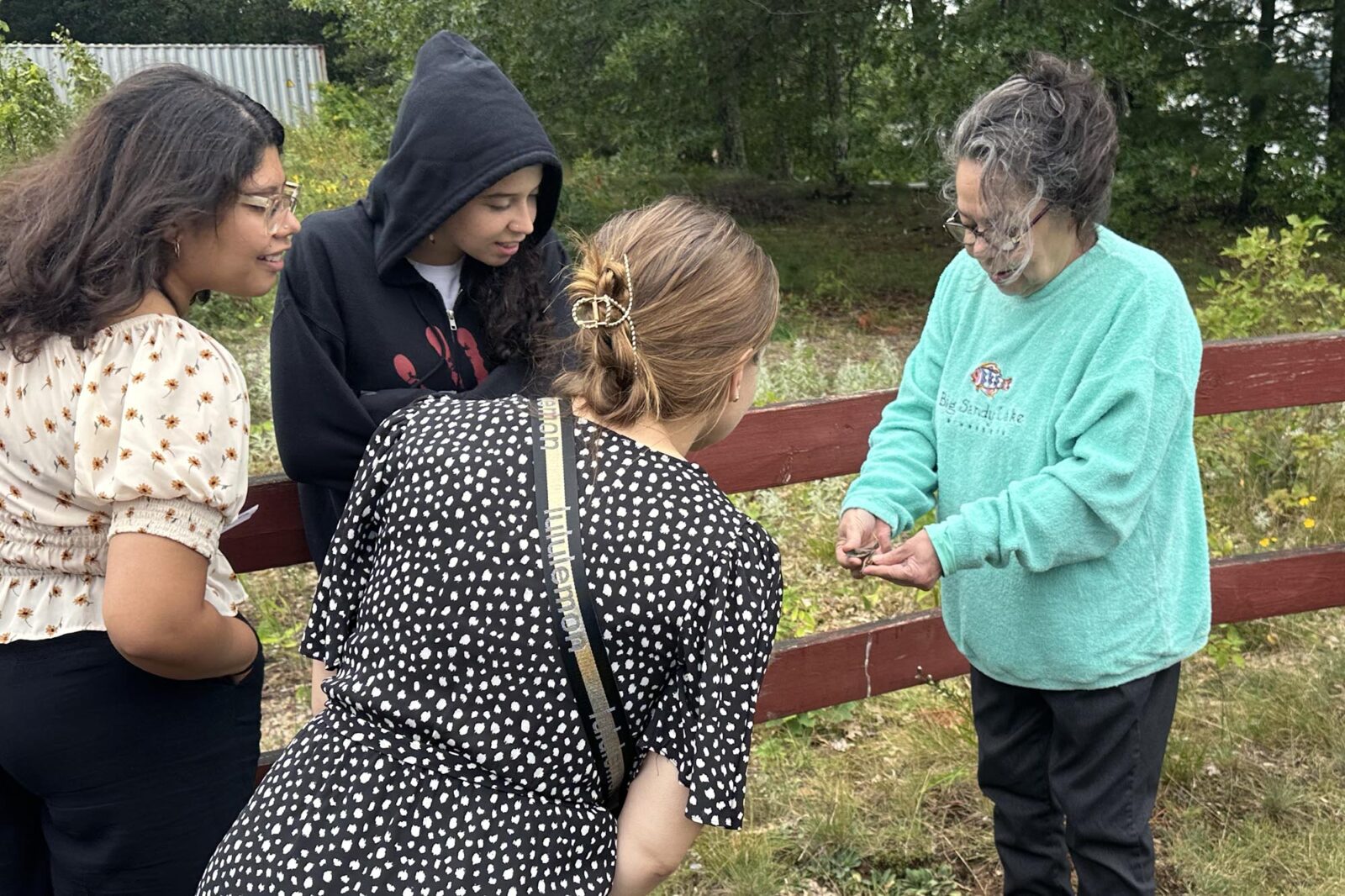
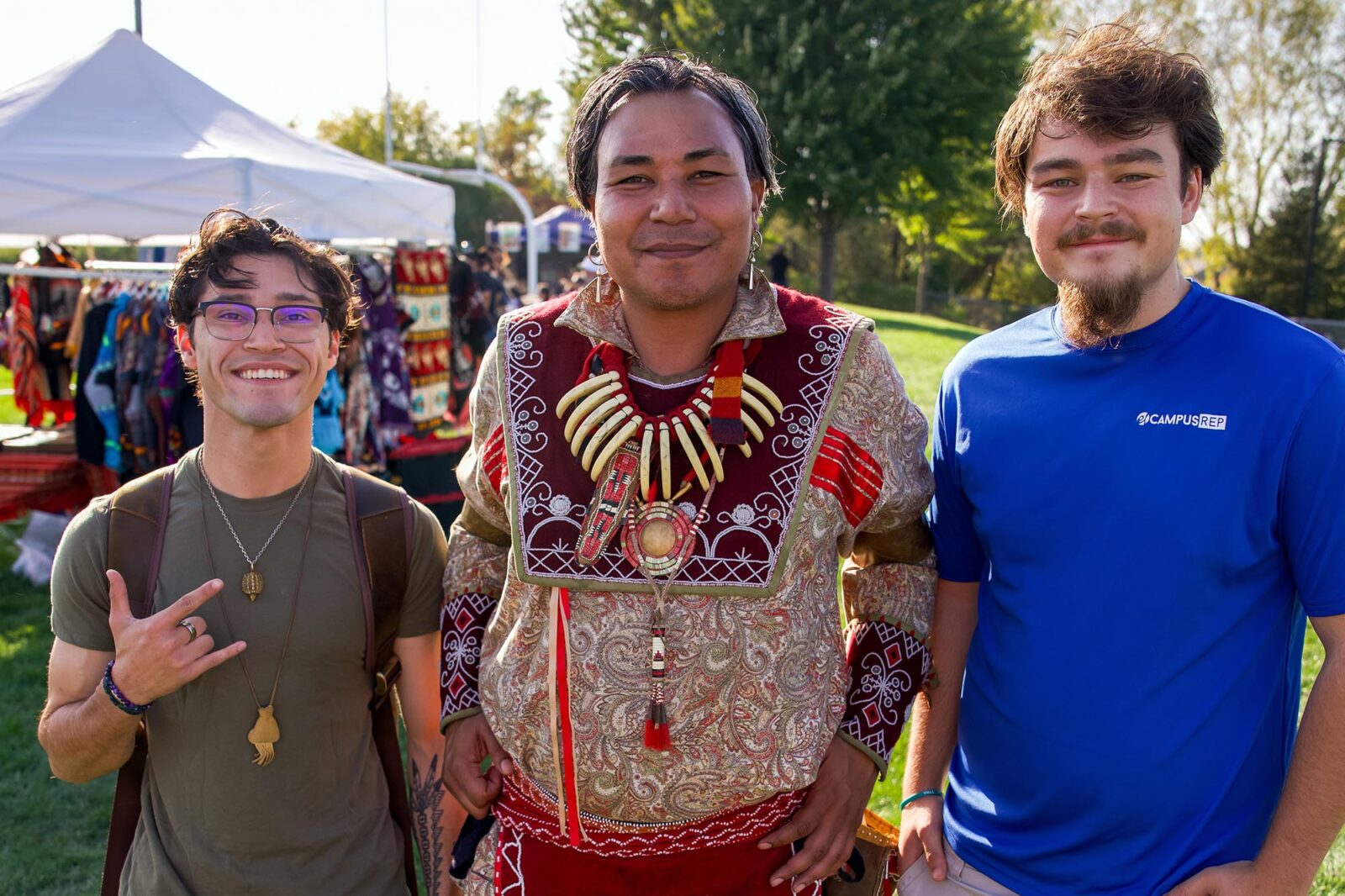
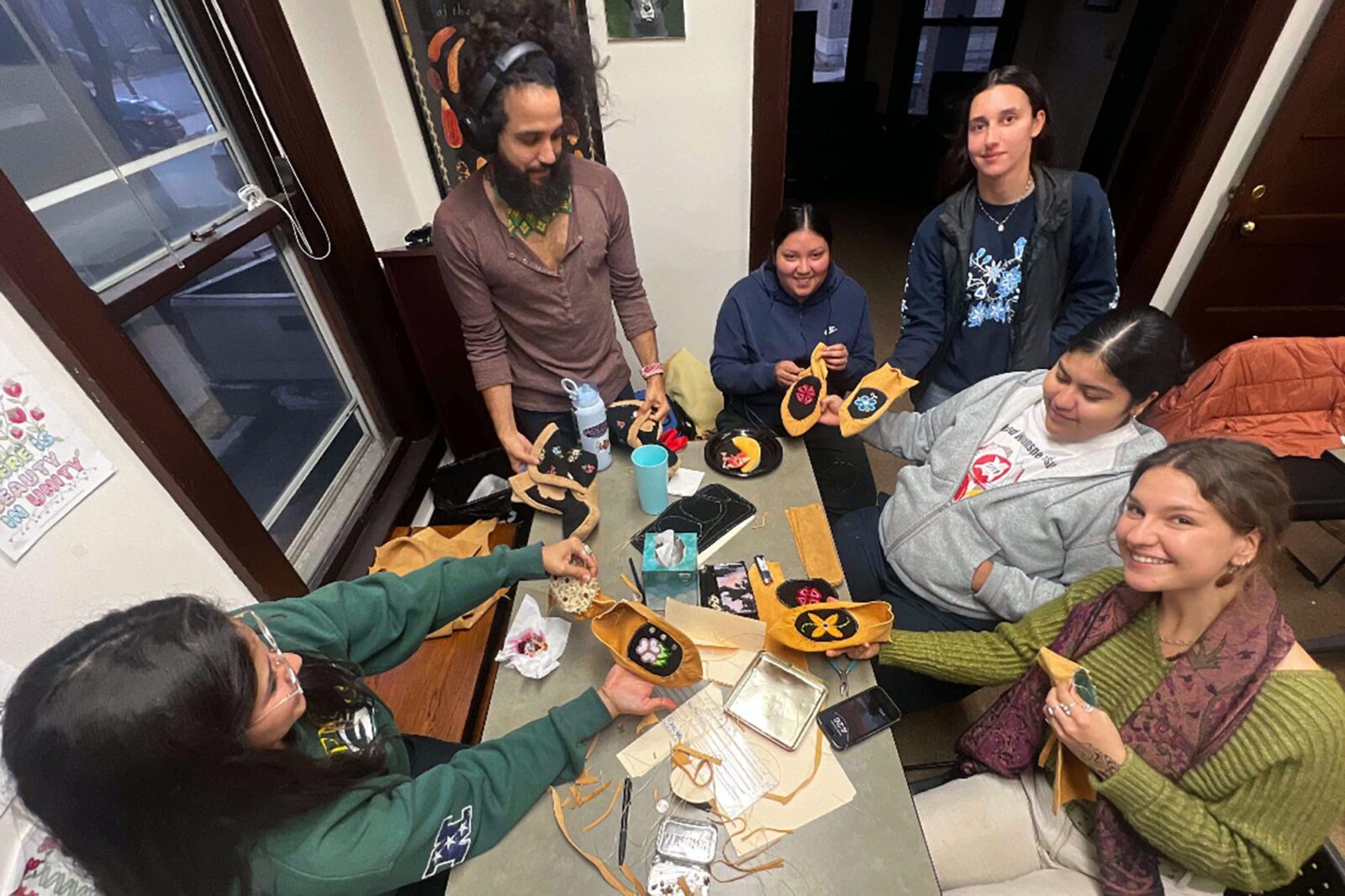
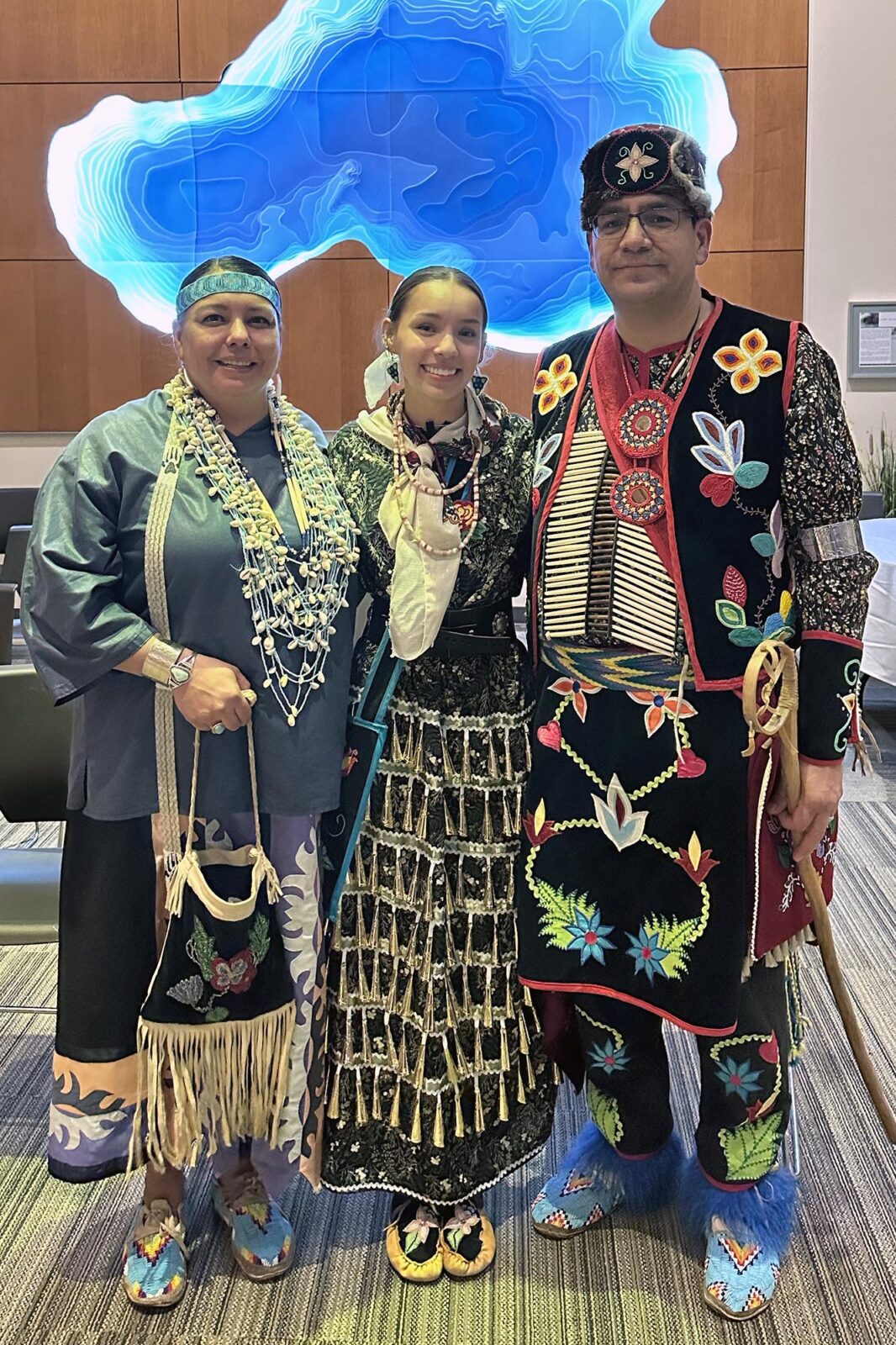
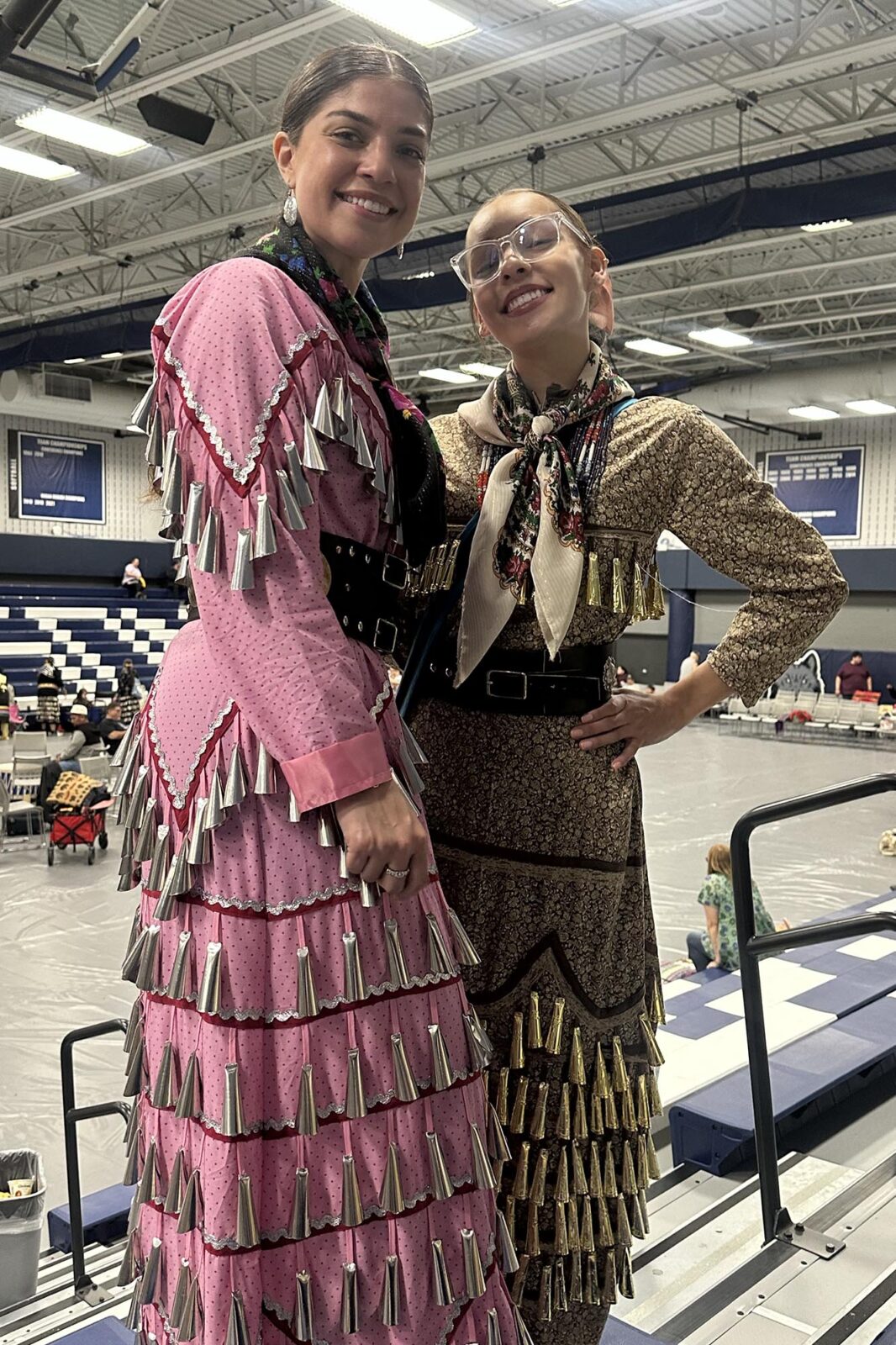
The NDGNS Community offers a living experience to learn about Indigenous voices and experiences with a focus on building community and relationships through shared experiences.
The community provides academic support to help students thrive and a variety of academic, community, and cultural events throughout the year, offered in collaboration with the NDGNS UW Program in the Division for Teaching and Learning (DTL), which supports undergraduate students from their first-year on campus through graduation.
How to Join
All items must be completed by your due date (May 1 for most admitted students). You can be assigned to any learning/theme community even if you did not preference it.
- Sign your University Residence Halls contract and submit your advance payment in My UW Housing.
- Rank the NDGNS Community first when you submit your hall preferences in My UW Housing.
- Prioritize theme communities over residence halls when you submit your hall preferences in My UW Housing.
- Complete and submit the NDGNS Community application/agreement in My UW Housing.
- Indicate if you want a random or preferred roommate in My UW Housing, and create/join a roommate group if you have a preferred roommate(s). Make sure all preferred roommates have matching preferences.
Community Partners & Location
Where Indigenous Voices & Experiences Are Celebrated
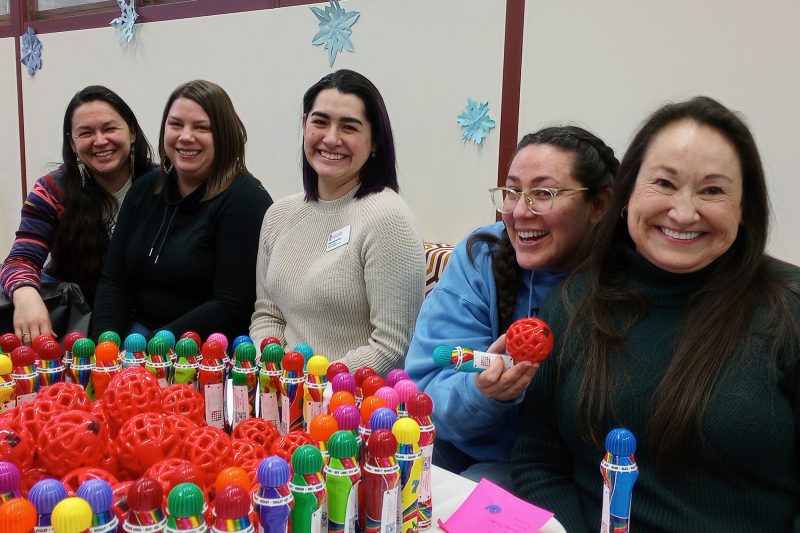
The NDGNS Community is one of many ways to connect to supportive community partners to ensure you’re successful in college and beyond:
- RELATIVES (Rebuilders of the Educational Legacy And Traditional Indigenous Values in Education)
- AUNTIES (Advocates for Uplifting Native Traditions & Indigenous Engagement)
- UNCLES (Upholders of Native Communities, Leadership, & Education)
- COUSINS (Cultural Organizers United and Strengthening Indigenous Networks)
These staff at UW–Madison represent a variety of departments as part of the Native Nations UW Indigenous Student Wellbeing Subcommittee.
Building Community Together
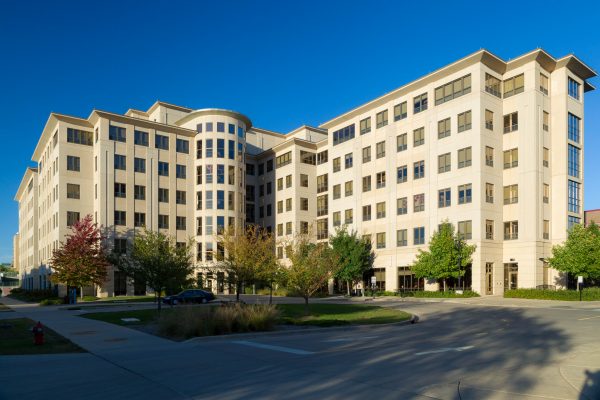
Centrally located in the southeast neighborhood of campus on ancestral Ho-Chunk land near State Street, the Wisconsin State Capitol, and Bascom Hill, the NDGNS Community is located in one wing of Smith Residence Hall and offers a variety of single and double room types. A few blocks away from Smith is the Indigenous Student Center, a welcoming and quiet space to relax, study, craft, grab a snack, or take a break in the wellness room.
Resources
Supporting Indigenous Students
- Learn about the people indigenous to where you live and visit. Read about UW–Madison’s commitment to respect the inherent sovereignty of the Ho-Chunk Nation and the other First Nations of Wisconsin. Seek out histories and information about Indigenous peoples today.
- Remove harmful stereotypes and Indigenous erasure language from your vocabulary. These terms may seem harmless, but they are not. Phrases like “let’s have a pow wow,” “lowest person on the totem pole,” “too many chiefs, not enough Indians,” “Indian giver,” “circle the wagons,” “spirit animal” etc., are disrespectful. Language has power and we can show Native people respect through the language choices we make.
- Understand that there are over 570 tribes in the US which are extremely diverse and have different languages and cultural customs. Don’t lump everyone together. For example, UW–Madison sits on Ho-Chunk land, however, not all Indigenous community members at UW–Madison are Ho-Chunk. Therefore, not all Indigenous students, staff, or faculty represent the Ho-Chunk Nation and its culture, traditions, and history.
- Honor complex stories and backgrounds. Recognize the unique experiences of Native American students individually and not assume that all have the same lived experience.
- Do not lightly claim that you have Native American heritage. Think twice before claiming Native ancestry. Understand that being Indigenous is not about DNA percentages or a family story about a Cherokee princess in your lineage. It’s about who claims you, your lived experience as a part of an Indigenous community, and how you show up for the community you claim to be a part of. Native identity is determined by the tribe or community, reinforcing tribal sovereignty and Native self-determination.
Sources
- Indigenous Perspectives on Native Student Challenges in Higher Education – Higher Education Today
- Want to be an ally to Indigenous people? Listen and unlearn, say 2 community workers | CBC News
A note on the term ally: this word is used in several of the articles cited. It is important to note that allyship should not be self-proclaimed — avoid declaring yourself as an ally. Rather, communities identify individuals as allies who consistently show up for them, by following the principles of allyship highlighted in these articles. Also note that these articles are not an exhaustive list. Allyship is a lifelong process of learning, unlearning, and taking meaningful, intentional action in partnership with communities that you do not personally belong to.